
A New Oil Shock Accelerates a Return to Nuclear Power
Shocks to natural gas supplies are spurring countries in Asia and elsewhere to rethink their rejection of nuclear energy after the 2011 disaster in Fukushima, Japan.
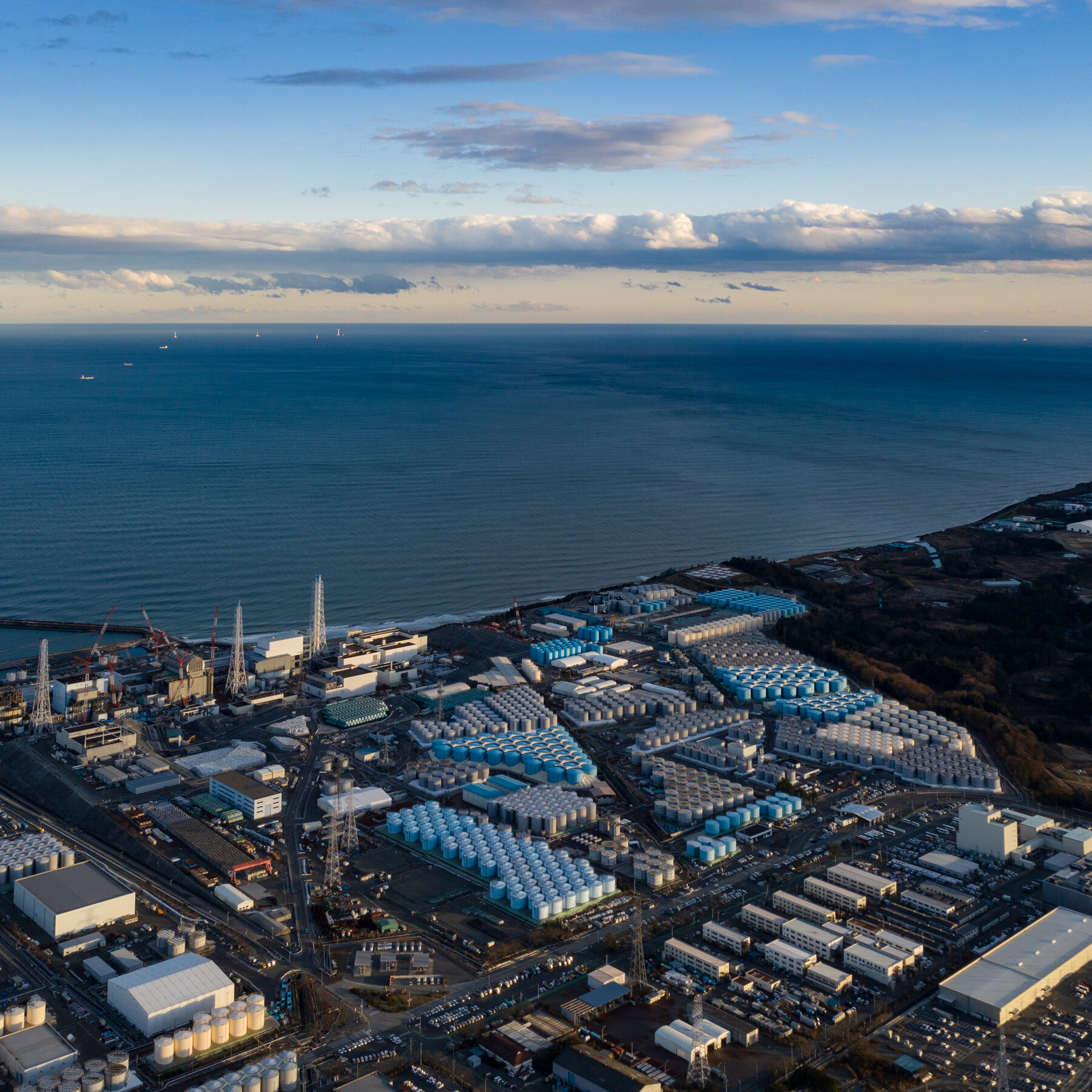
As global energy markets face unprecedented volatility, a new oil shock is prompting several countries in Asia and beyond to reconsider their stance on nuclear power. The 2011 Fukushima disaster, which resulted in a catastrophic meltdown at a nuclear power plant in Japan, had led many nations to abandon or slow down their nuclear energy programs. However, the current supply chain disruptions and soaring energy prices are forcing these countries to reevaluate their energy strategies.
The Fukushima Daiichi nuclear power plant, located on the northeastern coast of Japan, was the site of a devastating triple meltdown in March 2011. A powerful earthquake and subsequent tsunami caused the plant's cooling systems to fail, leading to the release of radioactive material into the environment. The disaster prompted widespread public concern about the safety of nuclear energy, and many governments, including Germany's, decided to phase out their nuclear power infrastructure.
In recent years, the world has witnessed a significant shift away from nuclear energy, with countries focusing on renewable sources like wind and solar power. However, the current energy crisis, exacerbated by geopolitical tensions and supply chain issues, has forced several nations to reconsider nuclear energy as a viable option.
In Asia, countries such as South Korea and Taiwan have been particularly affected by the energy crisis. Both nations have been grappling with soaring natural gas prices, which have led to increased reliance on coal and a subsequent spike in carbon emissions. As a result, these countries are now exploring the possibility of expanding their nuclear energy capacities to stabilize their energy markets and reduce their dependence on fossil fuels.
South Korea, for instance, has been working on revising its nuclear energy policies to allow for the construction of new reactors. The country currently operates 23 nuclear power plants, which provide around 30% of its electricity. With the global energy crisis intensifying, South Korea is considering increasing this percentage to ensure energy security and reduce greenhouse gas emissions.
Similarly, Taiwan has been actively pursuing a nuclear energy revival. The island nation faced a severe energy shortage in 2022 due to a combination of factors, including a drought that reduced hydropower output and a decline in coal production. In response, Taiwan has accelerated its plans to build new nuclear reactors, despite public opposition and safety concerns.
The push towards nuclear energy is not limited to Asia. Europe, too, is reevaluating its nuclear policies in light of the current energy crisis. Countries such as Finland and France are proceeding with their nuclear projects, while others like the Czech Republic are considering expanding their existing capacities.
The resurgence of interest in nuclear energy is driven by several factors. Firstly, the energy crisis has highlighted the vulnerability of global supply chains, particularly those relying on natural gas. Nuclear power, with its long-term fuel supply and stable energy output, offers a more reliable alternative. Secondly, the environmental concerns associated with fossil fuels have made nuclear energy an attractive option for countries seeking to reduce their carbon footprint.
However, the path to nuclear revival is not without challenges. Public opposition remains a significant hurdle, particularly in regions with a history of nuclear disasters. Safety concerns and the issue of nuclear waste disposal also need to be addressed to gain public and political support for nuclear expansion.
In conclusion, the current oil shock and global energy crisis are forcing countries to reconsider their energy policies and reevaluate the role of nuclear power. While the 2011 Fukushima disaster led many nations to abandon nuclear energy, the pressing need for a stable and sustainable energy supply is now driving a return to nuclear power. As countries grapple with the complexities of nuclear energy, the path forward will require careful consideration of safety, public opinion, and environmental impact.









