A New Oil Shock Accelerates a Return to Nuclear Power
Shocks to natural gas supplies are spurring countries in Asia and elsewhere to rethink their rejection of nuclear energy after the 2011 disaster in Fukushima, Japan.
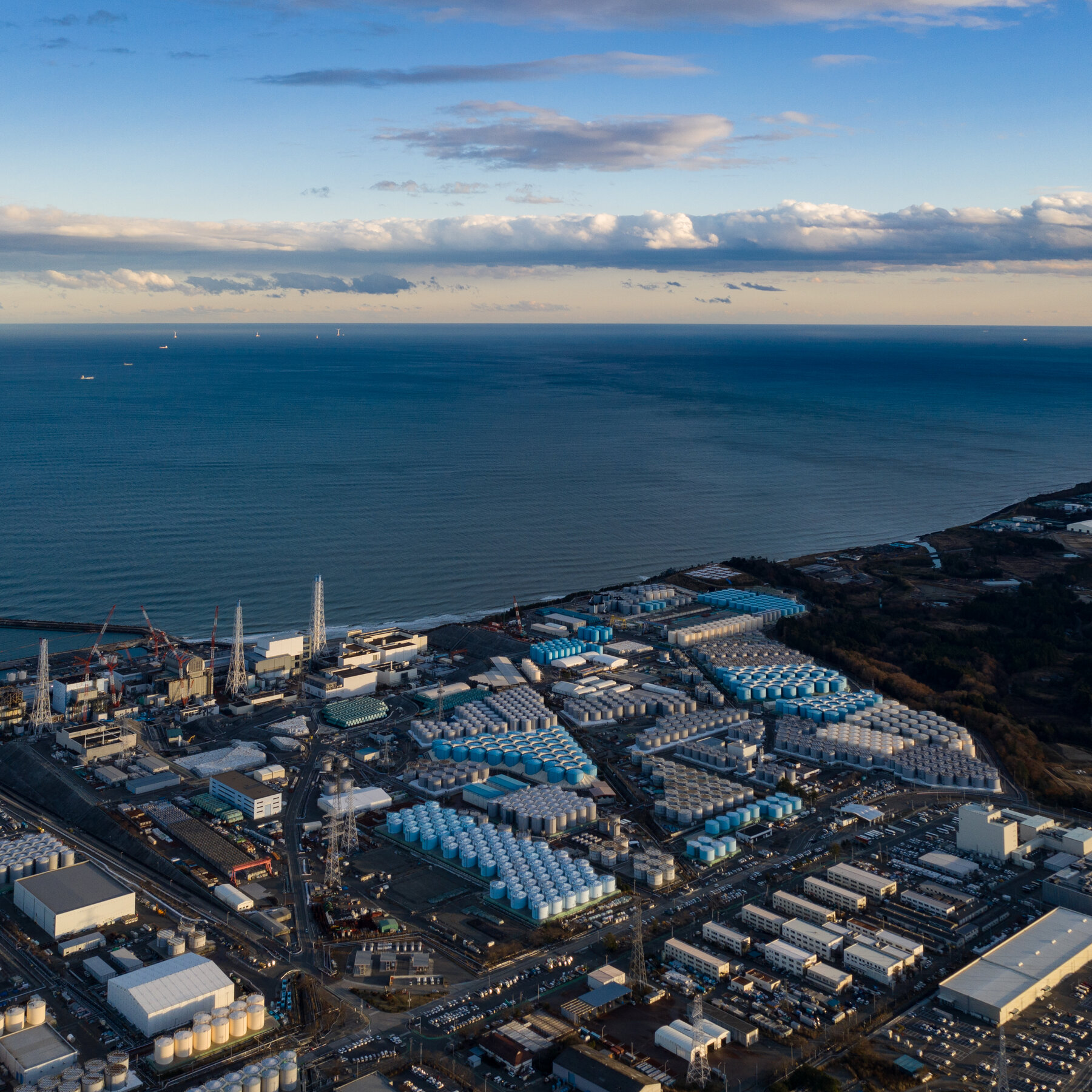
As global energy markets face unprecedented volatility, a new oil shock is prompting countries in Asia and beyond to reconsider their stance on nuclear power. The 2011 Fukushima disaster, which resulted in a catastrophic meltdown at a Japanese nuclear plant, had led many nations to abandon or slow their nuclear energy programs. However, the current supply chain disruptions and soaring energy prices are forcing governments to reevaluate their energy strategies, with a renewed interest in nuclear energy as a viable alternative.
The Fukushima Daiichi nuclear power plant, located on the northeastern coast of Japan, was the site of a devastating triple meltdown in March 2011. A powerful earthquake and subsequent tsunami caused the plant's reactors to overheat and release radioactive material into the environment. The disaster prompted a global rethinking of nuclear energy, with several countries, including Germany, deciding to phase out their nuclear power infrastructure entirely.
Now, nearly two decades after the Fukushima accident, the world is witnessing a resurgence of interest in nuclear energy. This shift is driven by the ongoing energy crisis, exacerbated by geopolitical tensions and disruptions in natural gas supplies. As countries grapple with soaring energy prices and the need for reliable, low-carbon power sources, nuclear energy has emerged as a potential solution.
In Asia, particularly, the push towards nuclear power is gaining momentum. South Korea, for instance, has been expanding its nuclear capacity, with plans to build new reactors despite initial hesitations following the Fukushima disaster. Similarly, India, which had paused its nuclear expansion program in the aftermath of Fukushima, is now accelerating its plans to build 11 new reactors by 2030.
The United States, too, is witnessing a renewed interest in nuclear energy. The Inflation Reduction Act, signed into law in 2022, includes provisions to support the development of advanced nuclear reactors, such as small modular reactors (SMRs) and high-temperature gas-cooled reactors (HTGRs). These technologies are seen as potential solutions to the challenges faced by traditional nuclear power plants, including safety and waste management.
The European Union is also reconsidering its nuclear policies. France, which relies heavily on nuclear power, has announced plans to extend the lifespan of its existing reactors and build new ones. Meanwhile, countries like the United Kingdom and Finland are exploring the possibility of building new nuclear plants, albeit with a focus on improved safety standards.
The resurgence of interest in nuclear energy is not without its challenges. Concerns about nuclear waste disposal, the high upfront costs of building new reactors, and the potential for accidents remain significant hurdles. However, proponents argue that these issues can be addressed through technological advancements and international cooperation.
In conclusion, the current energy crisis is forcing nations to reevaluate their energy policies and consider nuclear power as a viable option. While the Fukushima disaster led to a temporary setback for the industry, the urgency of the energy transition and the need for reliable, low-carbon power sources are driving a return to nuclear energy. As countries grapple with the complexities of this shift, the path forward will require careful consideration of safety, waste management, and public acceptance.