A new approach to a Covid-19 nasal vaccine shows early promise
Scientists in Germany say they've been able to make a nasal vaccine that can shut down a Covid-19 infection in the nose and throat, where the virus gets its first foothold in the body.
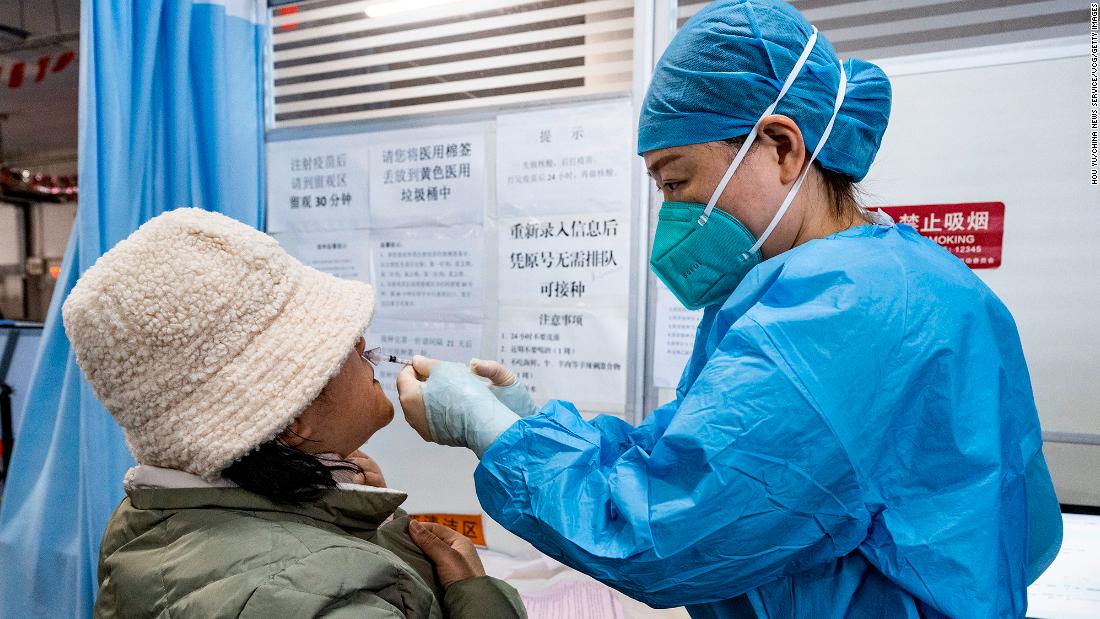
In a groundbreaking development in the fight against Covid-19, scientists in Germany have announced the creation of a nasal vaccine that shows early promise in halting the virus at its initial point of entry into the body. This innovative approach targets the nasal and throat regions, where the virus typically first establishes an infection, potentially offering a new strategy to prevent the disease from progressing.
The nasal vaccine, developed by researchers at the University of Tübingen and the Helmholtz Centre for Infection Research, utilizes a modified version of the adenovirus 26 (Ad26) vector to deliver a piece of the SARS-CoV-2 spike protein into the respiratory tract. This spike protein, which is responsible for the virus's ability to bind to human cells, is designed to trigger an immune response specifically in the nasal cavity. By doing so, the vaccine aims to prevent the virus from spreading beyond the initial infection site, thereby reducing the severity of the illness and minimizing the risk of complications.
The researchers conducted preclinical studies using mice, which provided promising results. In these experiments, the nasal vaccine was found to effectively neutralize the virus in the nasal passages, preventing it from reaching the lower respiratory tract and causing severe disease. The immune response generated by the vaccine was localized to the nasal area, with minimal systemic inflammation, suggesting that this approach could be less likely to cause side effects associated with broader immune activation.
This new approach to vaccine development is significant because it addresses a critical vulnerability in the current understanding of Covid-19. The virus's ability to replicate in the respiratory tract and cause severe illness has been a major challenge for existing vaccines, which primarily focus on inducing systemic immunity. By targeting the nasal and throat regions, this vaccine could potentially prevent the virus from progressing to more severe forms of the disease, thereby reducing hospitalizations and deaths.
The development of this nasal vaccine is also notable for its potential to overcome some of the challenges faced by traditional vaccines. For instance, nasal administration is generally considered safe and well-tolerated, with fewer side effects compared to intramuscular injections. Additionally, the localized immune response generated by the vaccine could offer protection specifically against the variants that are most prevalent in the respiratory tract, making it a more adaptable solution in the face of evolving viral strains.
However, it is important to note that this nasal vaccine is still in the early stages of development, and further research is needed to fully understand its efficacy and safety. Clinical trials involving human subjects are planned, but it is unclear when these trials will begin or how long it will take to gather sufficient data to determine the vaccine's effectiveness. In the meantime, public health officials continue to emphasize the importance of existing preventive measures, such as wearing masks, practicing social distancing, and getting vaccinated with approved vaccines.
Despite these challenges, the potential benefits of a nasal vaccine for Covid-19 are significant. If successful, this approach could provide a more targeted and effective means of preventing the disease, reducing the burden on healthcare systems, and ultimately leading to a more manageable global pandemic. The success of this innovative vaccine could also pave the way for future developments in the field of respiratory tract immunization, offering new tools to combat other respiratory viruses that pose a threat to global health.
In conclusion, the development of a nasal vaccine targeting the Covid-19 spike protein represents a promising new strategy in the fight against the virus. By focusing on the initial site of infection, this approach offers a unique opportunity to prevent the disease from progressing and causing severe complications. While further research is needed to fully evaluate the vaccine's potential, its success could revolutionize the way we approach vaccine development for respiratory illnesses and provide a critical tool in the global battle against Covid-19.