A music festival booked Kanye West, now known as Ye, and lost major sponsors
The rapper Ye was announced as the headliner for the Wireless Festival in London. He's gained notoriety over the years for his antisemitic comments and activities glorifying Nazis.
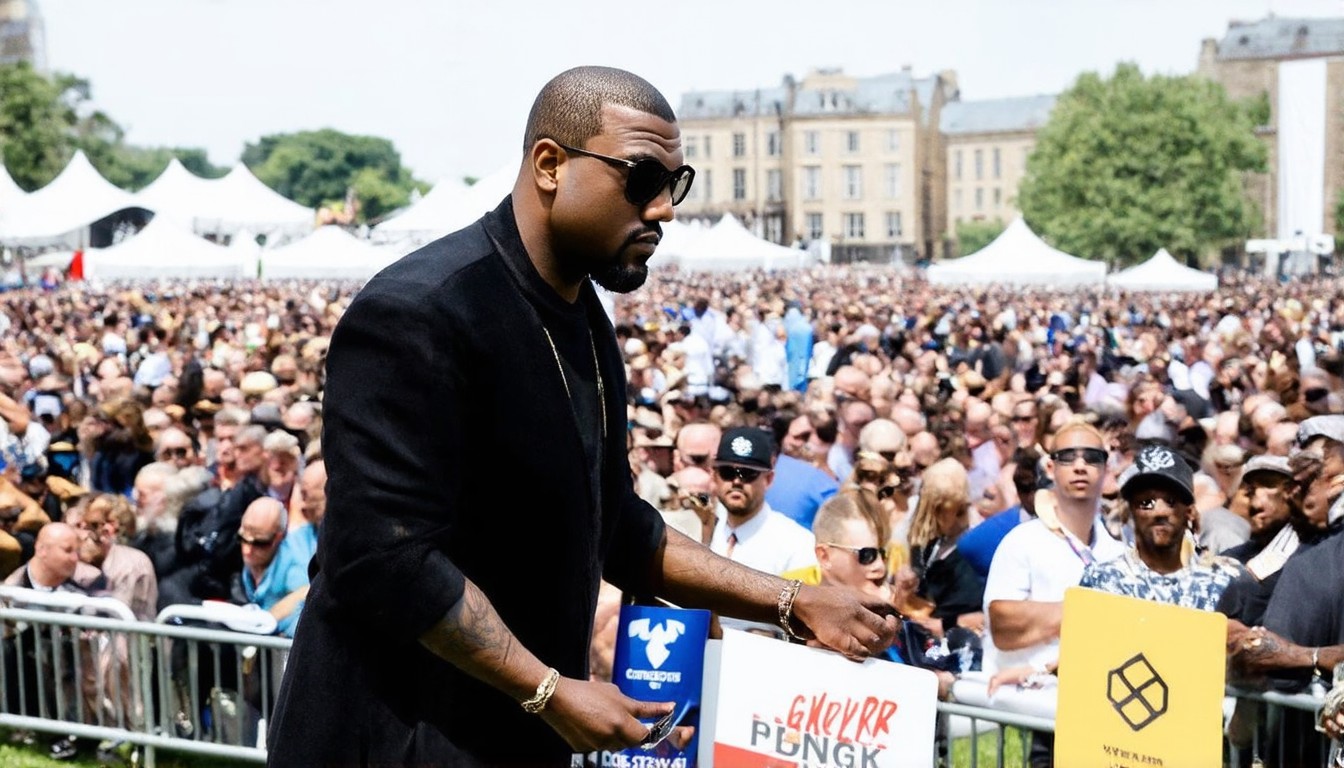
The Wireless Festival in London, a popular annual music event, has faced significant backlash and financial repercussions after announcing rapper Ye, formerly known as Kanye West, as its headliner. The decision to book Ye has led to the withdrawal of major sponsors, casting a shadow over the festival's reputation and future.
Ye, who has been a prominent figure in the music industry for over a decade, has been the subject of controversy for years due to his public statements and actions. His antisemitic comments and endorsements of Nazi symbols have drawn widespread criticism, leading to a number of cancellations and boycotts by brands and individuals.
The Wireless Festival organizers initially announced Ye's appearance with excitement, positioning him as a major draw for the event. However, the announcement quickly sparked outrage among festival-goers and the general public. Social media platforms were flooded with calls for the festival to reconsider its booking, with many pointing out the negative implications of associating with Ye.
In response to the backlash, several major sponsors have withdrawn their support for the Wireless Festival. These sponsors, who had previously been key partners in the event's success, have cited concerns over their brand reputation and alignment with the festival's values. The loss of these sponsors has left the festival organizers scrambling to find alternative funding and partnerships to keep the event afloat.
The controversy surrounding Ye's booking has also raised questions about the broader music industry's approach to controversial artists. While some argue that artists should be allowed to perform freely, others contend that venues and sponsors have a responsibility to consider the impact of their decisions on society. The Wireless Festival's situation serves as a stark reminder of the power dynamics at play in the music industry and the potential consequences of booking artists with a history of divisive behavior.
Ye himself has been a polarizing figure in recent years, with his public persona shifting dramatically in the past few years. His 2020 announcement that he would be running for president, followed by a series of erratic tweets and public appearances, has further entrenched his reputation as a contentious figure. The decision to rebrand as Ye in 2021, a move he claimed was an effort to distance himself from his past controversies, has not been enough to quell the criticism.
The Wireless Festival organizers have faced mounting pressure to address the situation, with some fans and critics demanding that Ye be removed from the lineup. While the festival has not yet made a public statement on the matter, insiders suggest that the organizers are under intense scrutiny to make a decision that will mitigate the damage to their brand.
The fallout from the Ye booking has also prompted a broader discussion about the role of sponsorship in music festivals. Sponsors often provide crucial financial support, allowing events to attract big-name artists and offer affordable ticket prices. However, the Wireless Festival's experience highlights the risks involved when a festival's choice of performer clashes with the values of its sponsors.
As the festival approaches, the future of the event hangs in the balance. The loss of major sponsors has left organizers with limited options, and the decision to either stand by Ye or backtrack could have long-lasting consequences for the Wireless Festival's reputation and financial stability.
In the meantime, the controversy surrounding Ye's booking continues to resonate beyond the festival itself, sparking debates about free speech, artistic expression, and the responsibility of event organizers to consider the societal impact of their choices. The Wireless Festival's predicament serves as a cautionary tale for the music industry, reminding everyone involved that the decisions they make can have far-reaching effects.