
A holiday for the young: Why Hong Kong should establish Children’s Day
By Billy Wong Last summer, our organisation, the Hong Kong Committee on Children’s Rights, hosted a forum titled “I Have Something to Say,” providing a platform for those aged 10 to 17 to voice their thoughts. Topics were unrestricted, as long as they were child-related and lawful. The very first issue raised was: “Hong Kong […]
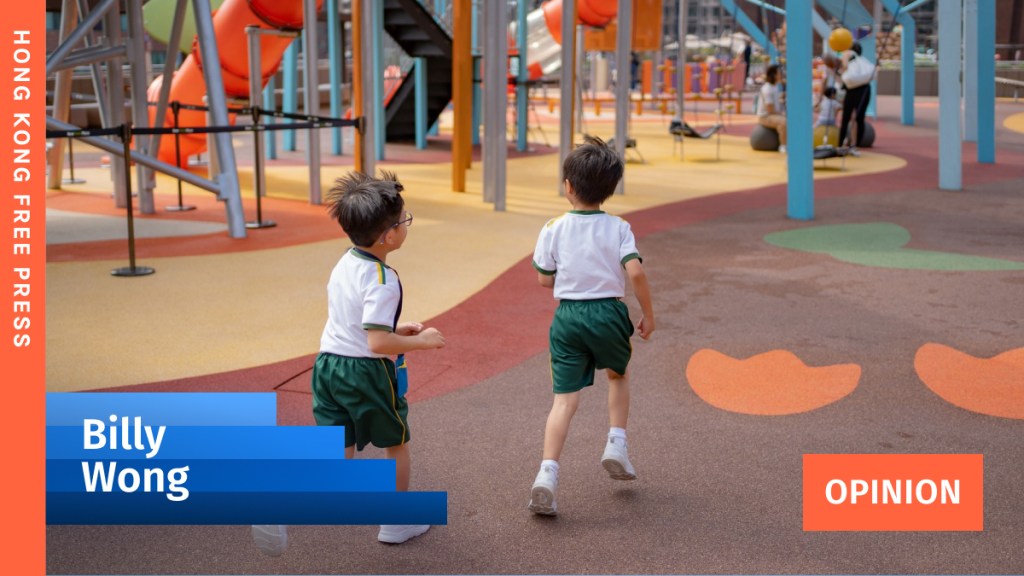
Last summer, the Hong Kong Committee on Children’s Rights hosted a forum titled “I Have Something to Say,” giving a voice to children aged 10 to 17. The event aimed to provide a platform for young people to express their thoughts on child-related issues. The very first topic raised by the participants was the need for Hong Kong to establish a Children’s Day to raise public awareness of children’s rights.
The demand came from a group of sixth graders who were about to transition to secondary school. They spoke on behalf of all children in Hong Kong, pointing out that adults often celebrate holidays like Valentine’s Day and Christmas with fun events, while Children’s Day is rarely highlighted. This sparked a conversation about the importance of recognizing children’s rights and creating a dedicated day to celebrate them.
Children’s Day is not a universally recognized holiday worldwide. In mainland China, June 1 is designated as Children’s Day, a day off for students under 14. Celebrations include large-scale performances, school fairs, gift-giving, and family activities. Taiwan observes Children’s Day on April 4, a national holiday marked by family-friendly events and sports. Japan and South Korea both celebrate Children’s Day on May 5, a public holiday. In Japan, carp streamers are hung to symbolize courage and growth, while South Korea hosts large-scale events across the country.
In contrast, Hong Kong does not have a designated Children’s Day. For most students, it remains just another day in the classroom, though some schools and NGOs choose to celebrate on April 4 or June 1. The children at the forum argued that establishing a Children’s Day would be a tangible way to implement the United Nations Convention on the Rights of the Child, which Hong Kong ratified in 1990.
The forum participants highlighted that a Children’s Day would not only raise awareness but also empower children to engage in discussions about their rights and responsibilities. It would encourage adults to take their concerns seriously and foster a culture of respect and understanding. The idea resonated with attendees, who believed that such a day would promote unity and strengthen family bonds.
The Hong Kong Committee on Children’s Rights has since been advocating for the establishment of a Children’s Day, emphasizing the importance of recognizing children’s voices and contributions to society. The government has been encouraged to consider this proposal, as it aligns with international standards and the growing demand for children’s rights.
In conclusion, the call for a Children’s Day in Hong Kong is a reflection of the young generation’s desire for greater recognition and involvement in public life. By establishing such a holiday, Hong Kong can create a platform for children to express their thoughts, celebrate their rights, and inspire a culture of respect and understanding among all citizens.








