
A high-coverage Neandertal genome from the Altai Mountains reveals population structure among Neandertals
Proceedings of the National Academy of Sciences, Volume 123, Issue 13, March 2026. SignificanceWe present a high-quality genome of a ~110,000-y-old male Neandertal from Denisova Cave in the Altai Mountains. He as well as a ~120,000-y-old Neandertal from the same cave lived in smaller and more isolated groups than later Neandertals in ...
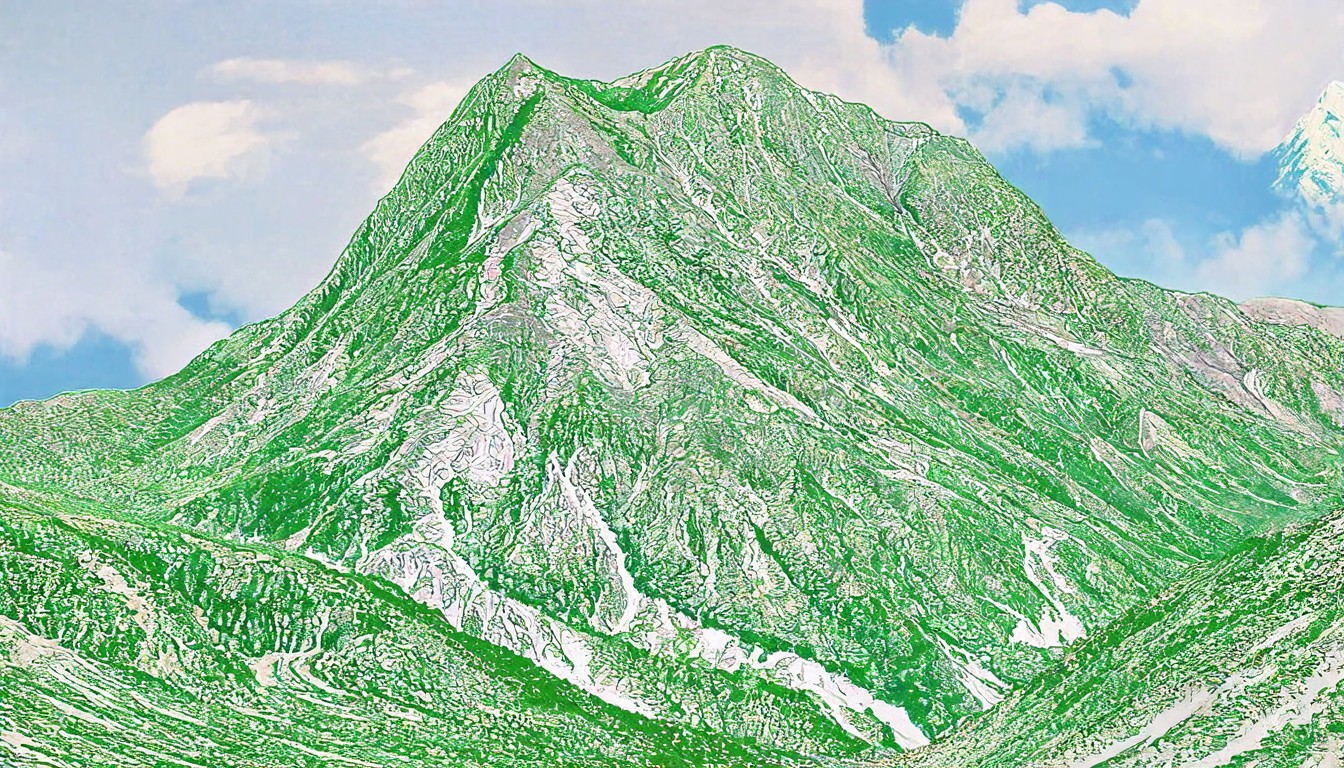
In a groundbreaking study published in the Proceedings of the National Academy of Sciences, researchers have unveiled a high-coverage genome of a Neandertal male dating back approximately 110,000 years, discovered in Denisova Cave in the Altai Mountains. This new genetic data, along with a previously sequenced Neandertal genome from the same cave dating to around 120,000 years ago, provides valuable insights into the population structure and social dynamics of Neandertals during this critical period in human prehistory.
The study, led by a team of international scientists, highlights the importance of revisiting well-known archaeological sites like Denisova Cave to uncover previously undiscovered genetic material. The high-quality genome sequencing has allowed researchers to delve deeper into the genetic diversity and social organization of Neandertal populations in the Altai region.
One of the key findings of this research is that the Neandertals from Denisova Cave lived in smaller and more isolated groups compared to later Neandertal populations. This suggests that the social structure of Neandertals may have been more fluid and varied over time, adapting to changing environmental conditions and resource availability. The smaller group sizes could also imply a different mode of subsistence or territorial behavior, potentially influencing their interactions with other hominin species, such as modern humans and Denisovans.
The genetic data reveals that the Neandertals from Denisova Cave had a distinct genetic makeup, which may indicate limited gene flow with other Neandertal populations. This isolation could have contributed to the development of unique genetic traits, potentially affecting their resilience to local environmental challenges. However, the study also notes that the Neandertals in the Altai Mountains shared some genetic similarities with other Neandertal groups, suggesting that they were not entirely isolated from the broader Neandertal population.
The researchers also compared the genetic data from the Denisova Cave Neandertals with previously sequenced Neandertal genomes to identify potential adaptations to the challenging environment of the Altai Mountains. The findings suggest that the Neandertals in this region may have had specific adaptations related to cold tolerance and dietary flexibility, which could have been crucial for their survival in the harsh landscape.
This study not only sheds light on the population structure of Neandertals but also underscores the importance of interdisciplinary approaches in understanding human evolution. By combining genetic sequencing with archaeological and paleoenvironmental data, researchers can gain a more comprehensive picture of how Neandertals lived, interacted, and adapted to their environment.
The discovery of the high-coverage Neandertal genome from Denisova Cave also highlights the ongoing potential for new findings in well-studied archaeological sites. As technology advances, the ability to extract and sequence ancient DNA continues to improve, offering unprecedented opportunities to explore the genetic history of early humans.
In conclusion, the study of the Neandertal genomes from Denisova Cave provides crucial evidence for the population structure and social dynamics of Neandertals during the last glacial period. The findings challenge previous assumptions about Neandertal social organization and emphasize the need for further research into the genetic and environmental factors that shaped their existence. As our understanding of Neandertals evolves, so too does our appreciation for the complex interplay between human evolution, genetics, and environment.








