
A gray whale that swam 20 miles up a Washington state river is found dead
A juvenile gray whale was found dead after swimming far inland, as experts say whales are “facing a major crisis” due to lack of food.
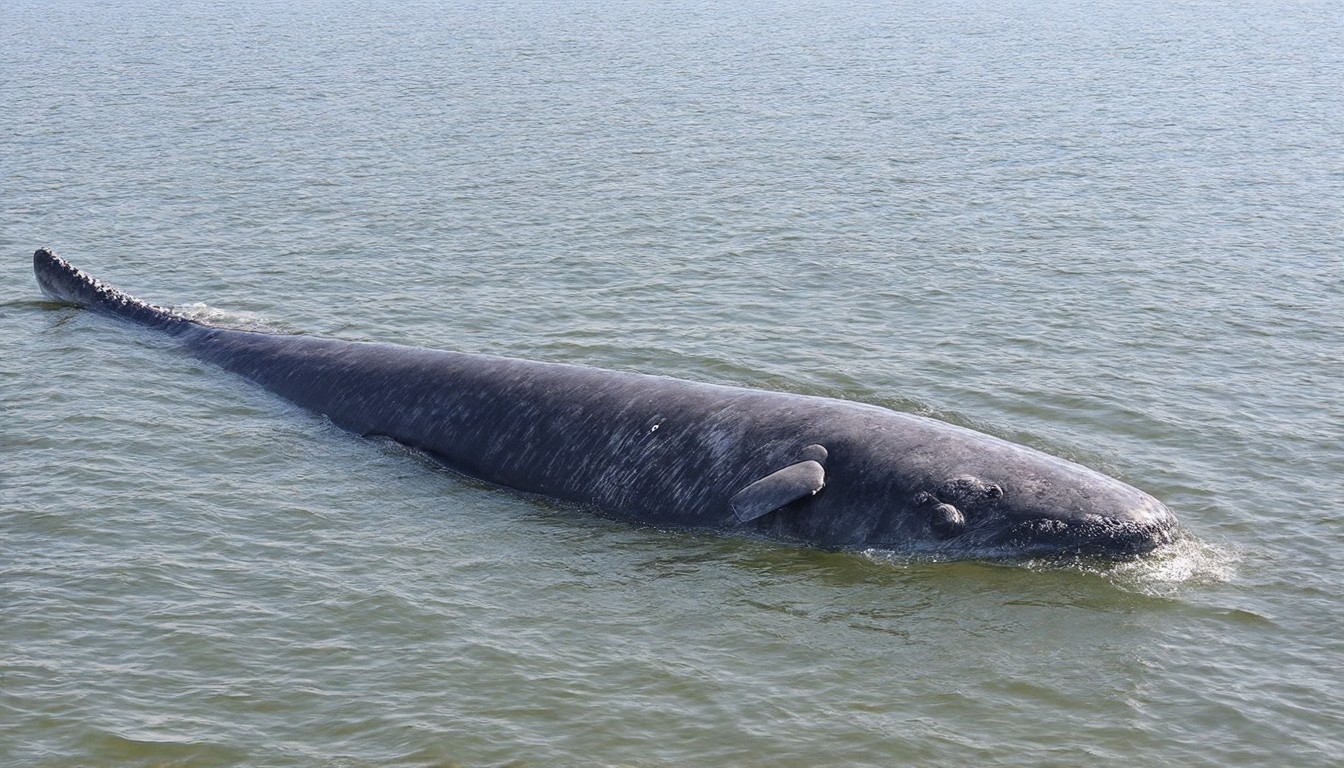
In a harrowing turn of events, a juvenile gray whale was discovered dead in a Washington state river after swimming an unprecedented 20 miles inland. The whale, which is a species known for its migration between Arctic feeding grounds and warmer breeding waters, was found floating in the Skagit River, a stark reminder of the challenges these majestic creatures face.
Experts have expressed concern over the whale's demise, attributing it to a broader crisis facing gray whales due to a severe lack of food. These whales primarily feed on krill and small fish, but changes in ocean temperatures and overfishing have disrupted their food supply, leading to malnutrition and weakened immune systems. The juvenile whale, which is still in the early stages of its life, would have been particularly vulnerable to these stressors.
The Skagit River, known for its pristine waters and diverse ecosystem, is not a typical habitat for gray whales. Their usual migration path along the Pacific coast does not extend this far inland. The whale's journey upstream suggests desperation, possibly driven by the absence of food in its usual feeding grounds. This unusual behavior highlights the extreme measures these animals are taking in search of sustenance.
Conservationists have long warned about the dwindling numbers of gray whales, which were once hunted to the brink of extinction. While their populations have recovered somewhat, climate change and human activities continue to threaten their survival. The recent discovery of the dead whale underscores the urgency of addressing these threats to ensure the species' long-term viability.
Scientists are now conducting a thorough examination of the whale's remains to determine the exact cause of death. Preliminary findings indicate that the whale was malnourished, supporting the theory that food scarcity played a significant role in its demise. This case serves as a stark warning that the gray whale's future depends on immediate and sustained conservation efforts.
Local communities and environmental groups are rallying to support initiatives aimed at restoring the whale's habitat and improving food availability. Efforts are underway to monitor ocean temperatures, protect critical feeding areas, and reduce pollution that could further endanger these magnificent creatures.
The tragic story of the gray whale that swam 20 miles up the Skagit River is not just about one lost life. It is a call to action for policymakers, scientists, and the public to prioritize the conservation of these whales and the ecosystems they depend on. As climate change continues to reshape our oceans, the survival of species like the gray whale will hinge on our ability to act swiftly and decisively to protect their habitats and ensure a sustainable food supply.
In the wake of this heartbreaking event, the focus must shift from mere survival to proactive measures that address the root causes of the gray whale's crisis. Only through collective effort can we safeguard these majestic creatures and the delicate balance of marine ecosystems they inhabit. The death of this juvenile whale is a somber reminder that time is running out for these magnificent animals, and urgent action is needed to secure their future.









