A global jet fuel shortage is raising the cost of air travel
American flyers still smarting from interminable airport security lines are about to get another shock
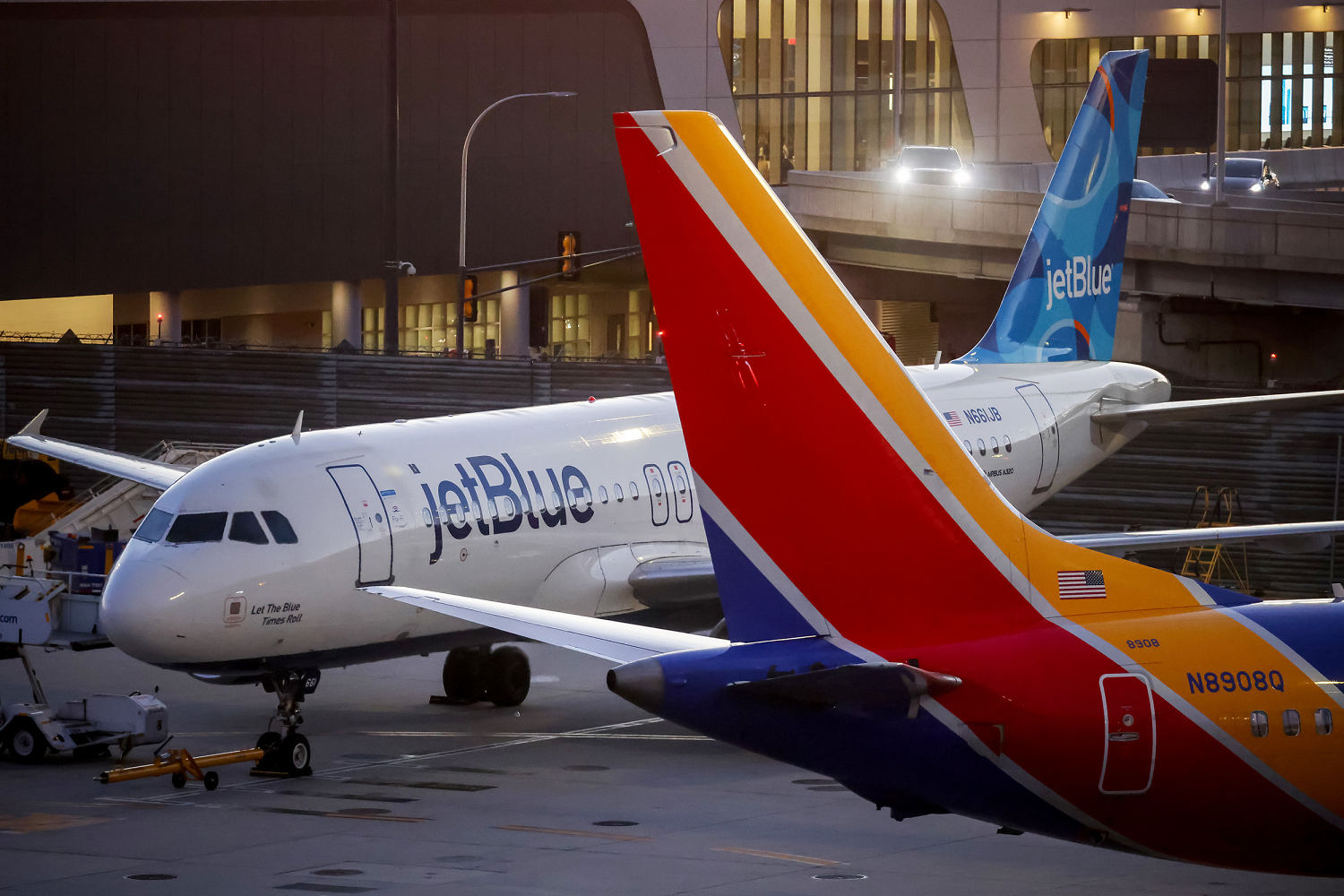
A global jet fuel shortage is raising the cost of air travel, and American flyers are set to face another significant challenge as they already grapple with interminable airport security lines. The shortage, driven by a combination of geopolitical tensions, supply chain disruptions, and increased demand for air travel, is pushing up fuel prices and, consequently, airline ticket costs.
The situation is not new, but it has become more acute in recent months. The price of jet fuel has risen sharply, reaching levels not seen in years. This is due, in part, to the ongoing conflict in the Middle East, which has disrupted oil production and supply routes. Additionally, the global supply chain has been strained by the pandemic, leading to reduced production capacity in some regions. Meanwhile, air travel has rebounded strongly post-pandemic, with more passengers returning to the skies, further increasing demand for fuel.
The impact of this shortage is already being felt by airlines and travelers alike. As fuel costs rise, airlines are forced to pass on these expenses to passengers in the form of higher ticket prices. This is particularly problematic for budget-conscious travelers and those who rely on air travel for business or family reasons. The situation is further complicated by the fact that jet fuel accounts for a significant portion of an airline's operating costs, making it a critical factor in determining profitability.
The shortage has also prompted airlines to reevaluate their operations and strategies. Some carriers are looking to optimize their fuel efficiency, investing in newer, more fuel-efficient aircraft or adjusting flight paths to reduce fuel consumption. Others are exploring alternative fuels, such as sustainable aviation fuel (SAF), which is derived from renewable sources and can help reduce emissions. However, the widespread adoption of SAF is still limited by production capacity and cost, and it remains unclear how quickly this transition can be achieved.
The situation is not limited to the United States. Airlines and governments around the world are grappling with the same challenges, with fuel prices and ticket costs rising in many regions. In Europe, for instance, the European Union has been working to mitigate the impact by encouraging the production of SAF and implementing measures to reduce fuel consumption. In Asia, airlines are also adapting, with some carriers exploring partnerships with local governments to address the shortage.
For travelers, the rising costs of air travel could lead to a reconsideration of their travel plans. Some may opt for alternative modes of transportation, such as trains or buses, while others may choose to postpone their trips or look for cheaper destinations. The situation also highlights the need for more sustainable and efficient transportation systems, as the global reliance on fossil fuels for air travel becomes increasingly unsustainable and costly.
In conclusion, the global jet fuel shortage is a complex issue with far-reaching implications for the air travel industry and consumers alike. As fuel prices continue to rise, airlines and governments must work together to find sustainable solutions that address both the immediate challenges and the long-term need for a more efficient and environmentally friendly transportation system. For now, however, travelers are likely to face higher costs and increased scrutiny as they navigate the ever-changing landscape of air travel.