
A global jet fuel shortage is raising the cost of air travel
American flyers still smarting from interminable airport security lines are about to get another shock
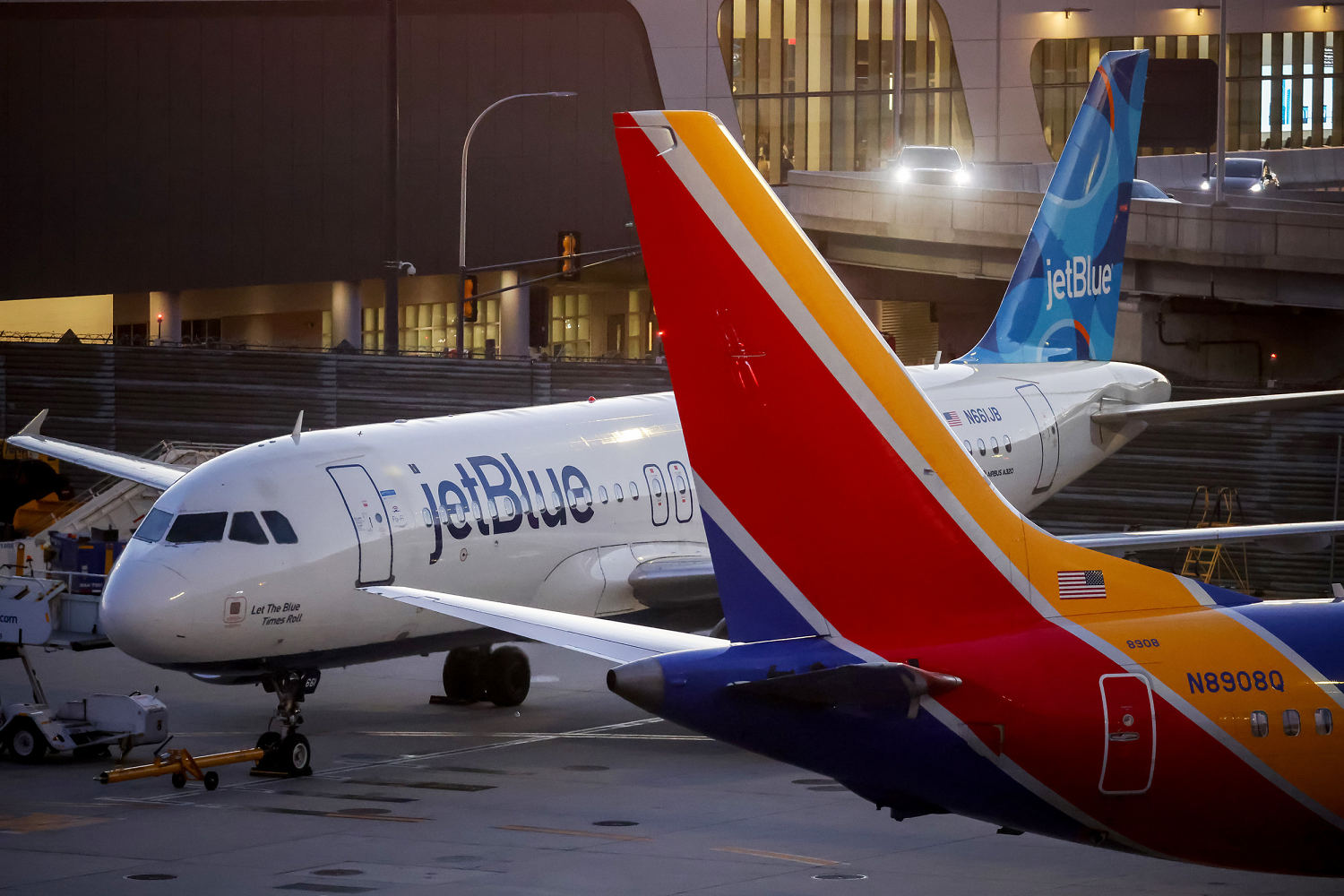
A global jet fuel shortage is raising the cost of air travel, and American flyers are set to face another significant challenge as they already grapple with interminable airport security lines. The situation is not limited to the United States; it affects passengers worldwide, with airlines and travelers bracing for higher ticket prices and potential disruptions to schedules.
The root cause of this crisis lies in the complex interplay of supply and demand, as well as geopolitical factors. The aviation industry has experienced a surge in passenger numbers post-pandemic, leading to increased demand for jet fuel. However, the global supply of jet fuel has not kept pace with this demand. Several countries, including the United States, Europe, and Asia, have been hit hard by this shortage, which has resulted in soaring fuel prices.
One of the key contributors to the shortage is the reduction in oil production by major players like Saudi Arabia and Russia. These nations have been focusing on increasing their oil exports to other markets, leaving a gap in the supply of jet fuel, which is a refined product derived from crude oil. Additionally, geopolitical tensions in regions such as the Middle East and the Black Sea have disrupted supply chains, further exacerbating the situation.
The impact of this shortage is felt most acutely by airlines, which are forced to pay significantly higher prices for jet fuel. As a result, many carriers are passing these increased costs onto passengers in the form of higher ticket prices. According to industry analysts, the cost of jet fuel has risen by over 50% in the past year, and this trend is expected to continue.
For American travelers, this means that airfares are likely to remain high for the foreseeable future. Airlines are also facing pressure to reduce their carbon footprint, which has led to a shift towards more sustainable practices. However, the current shortage has made it difficult for them to achieve these goals, as they are forced to prioritize meeting the increased demand for fuel.
The situation is further complicated by the fact that jet fuel is a global commodity, and its price is influenced by factors such as global economic conditions, political stability, and even weather patterns. This means that any disruption in one region can have ripple effects across the entire industry.
In response to the shortage, some airlines are exploring alternative fuel sources, such as biofuels and synthetic fuels, as a way to reduce their dependence on traditional jet fuel. However, these alternatives are still in the early stages of development and are not yet widely available.
For travelers, the best course of action is to plan ahead and monitor airfare prices closely. As the shortage continues, it is likely that airlines will prioritize certain routes and services, potentially leading to cancellations or delays. It is also possible that the industry will see a shift towards more efficient aircraft designs and operational practices in the long term, as airlines strive to reduce their fuel consumption and costs.
In conclusion, the global jet fuel shortage is a complex issue with far-reaching consequences for the aviation industry and travelers alike. As the situation unfolds, it will be crucial for both airlines and passengers to adapt to the changing landscape, while also considering the broader environmental and economic implications. The future of air travel will likely be shaped by a combination of technological innovation, strategic planning, and a renewed focus on sustainability.









