
A folk musician became a target for AI fakes and a copyright troll
In January, folk artist Murphy Campbell discovered several songs on her Spotify profile that did not belong there. They were songs that she had recorded, but she'd never uploaded them to Spotify, and something was off about the vocals. She quickly surmised that someone had pulled performances of the songs she posted to YouTube, created […]
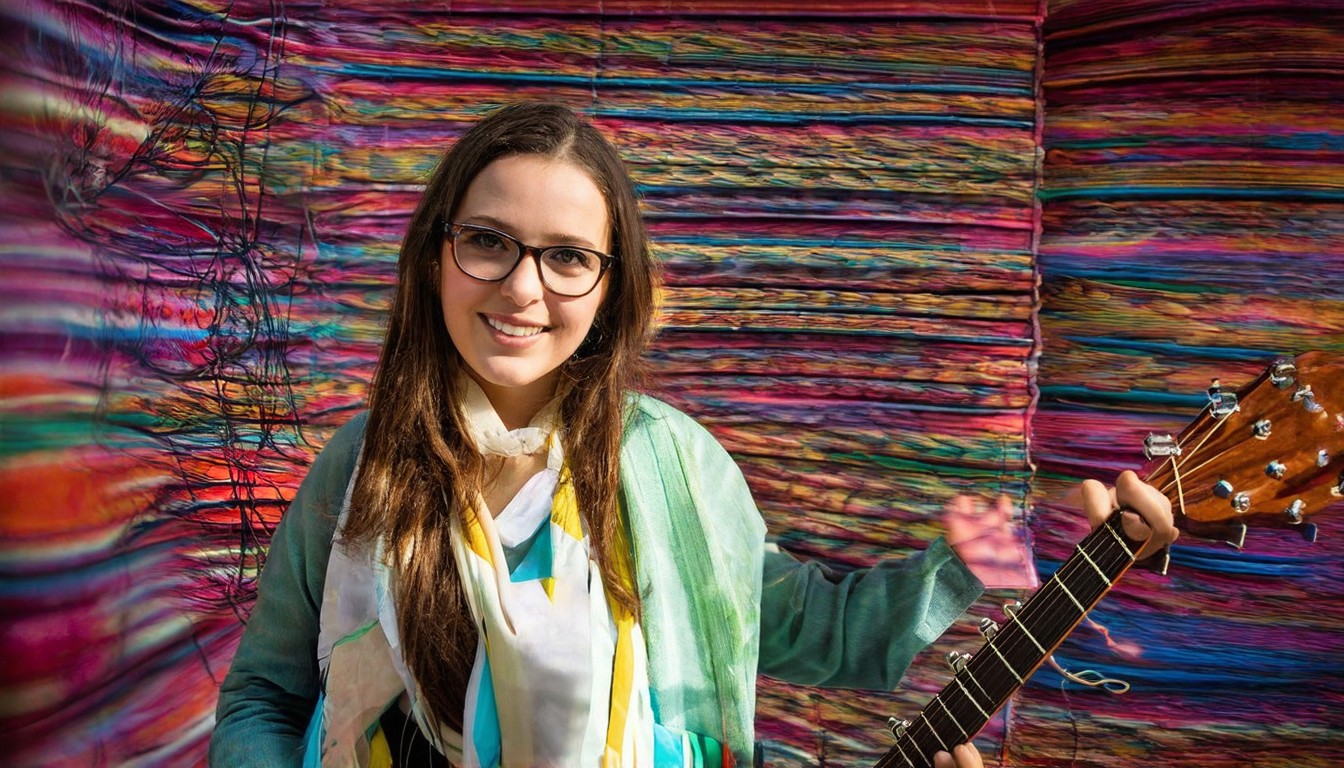
In January, folk artist Murphy Campbell was stunned to find several unfamiliar songs on her Spotify profile. These tracks were versions of her original compositions, but with a peculiar quality to the vocals that immediately raised red flags. Campbell, who had never uploaded these songs to Spotify, quickly deduced that someone had taken her YouTube performances, generated AI-based covers, and uploaded them under her name.
The situation became even more perplexing when Campbell analyzed one of the suspect tracks, "Four Marys," using two different AI detection tools. Both platforms indicated that the song was likely AI-generated, confirming her suspicions. "I was kind of under the impression that we had a little bit of protection," Campbell remarked, expressing her disbelief at the ease with which her work was being manipulated.
This incident highlights a growing issue within the music industry, where AI technology is increasingly being used to create and distribute music without the consent of the original artists. In Campbell's case, the AI-generated tracks not only appeared on her Spotify profile but also on other streaming platforms, potentially exposing her to accusations of plagiarism or unauthorized content distribution.
The problem stems from a combination of factors. First, the rapid advancement of AI has made it increasingly difficult for platforms like Spotify to accurately identify and filter out AI-generated content. Second, the current copyright system lacks clear guidelines and mechanisms to address the unique challenges posed by AI-generated music. As a result, artists like Campbell are left vulnerable to exploitation by copyright trolls and unscrupulous individuals who can manipulate the system to their advantage.
Murphy Campbell's experience underscores the urgent need for the music industry to adapt its copyright laws and platform policies to better protect artists from AI-generated content. This may involve implementing more robust AI detection systems, revising copyright regulations to address the unique characteristics of AI-generated music, and fostering a collaborative environment between artists, technologists, and policymakers to develop comprehensive solutions.
In the meantime, Campbell is working to raise awareness about the issue and advocating for change. She has reached out to Spotify and other streaming platforms to report the unauthorized content and to demand action. Additionally, she is using her platform to educate her fans and fellow artists about the risks associated with AI-generated music and the importance of safeguarding creative rights in the digital age.
As the debate over AI in music continues, Murphy Campbell's story serves as a cautionary tale about the potential consequences of inadequate protections against AI exploitation. It is a stark reminder that the music industry must take proactive steps to ensure that artists are fairly compensated for their work and that their creative integrity is protected in an era where technology is rapidly reshaping the landscape of music production and distribution.









