
A controversial first: Donald Trump's signature to appear on US dollar bills
Donald Trump’s Treasury Department plans to add his signature to all denominations of US dollar bills. The move is a first, as US paper currency does not feature a president’s signature.
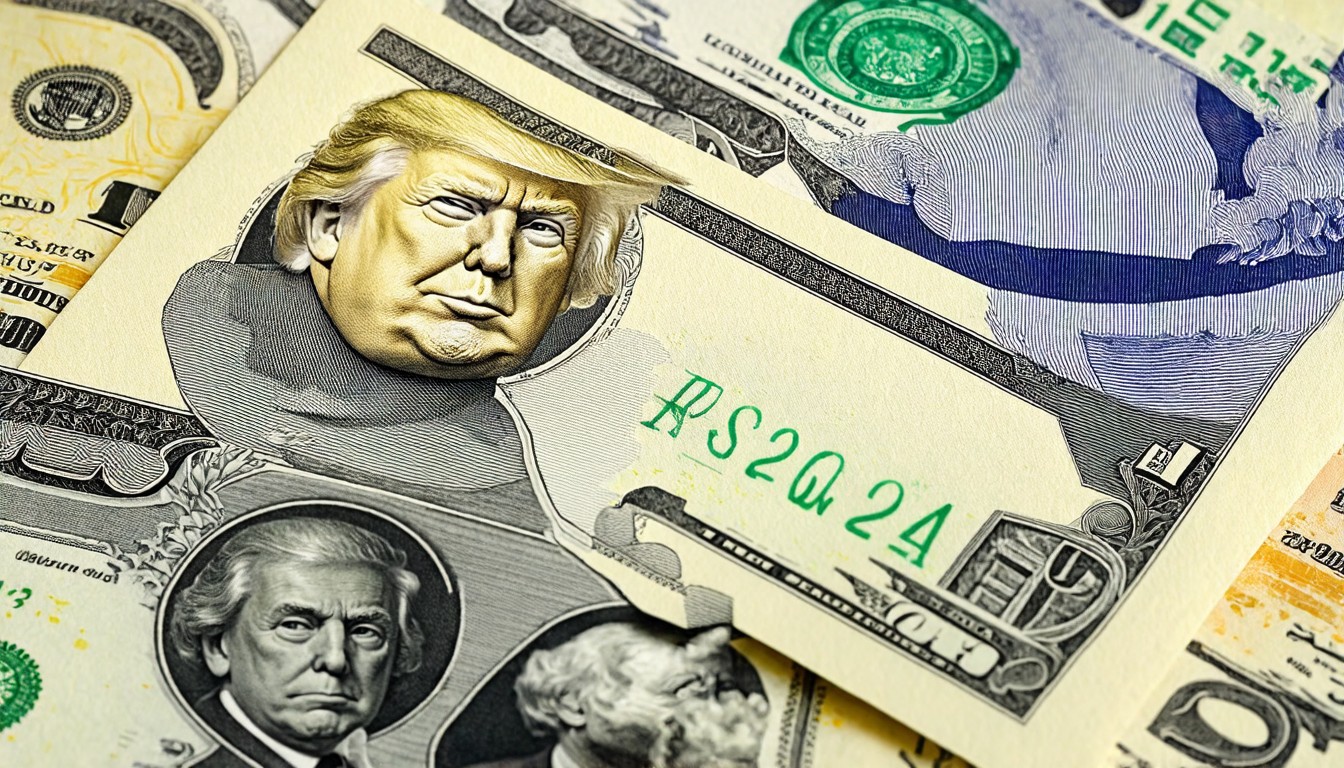
The United States is set to undergo a historic change as Donald Trump's signature will appear on all denominations of US dollar bills. This unprecedented decision, spearheaded by the Treasury Department, marks a significant shift in the design of American currency. Traditionally, US paper money has not included a president's signature, but the Trump administration has chosen to break this longstanding tradition.
The proposal to add Trump's signature to dollar bills has been met with mixed reactions. Supporters argue that it is a fitting tribute to the president who has overseen significant economic policies and changes in the nation's financial landscape. Critics, however, view the move as an unnecessary and potentially divisive gesture, given the polarized political climate.
The decision to include the signature is part of a broader effort by the Treasury Department to modernize and secure the currency. The new designs will also feature enhanced security features, such as holographic images and color-shifting ink, to combat counterfeiting. These upgrades are intended to protect consumers and maintain the integrity of the US dollar.
The inclusion of a president's signature on currency is not unique to the United States. In many countries, the face of a leader or a national hero is prominently displayed on banknotes. However, the US has historically avoided such personalization, opting instead to feature notable figures, landmarks, or symbols that represent the nation's values and history.
The move to add Trump's signature has sparked debates about the role of presidential imagery in national currency. Critics contend that it could set a precedent for future administrations, potentially leading to a proliferation of presidential signatures on bills. They also question whether the decision is driven by political motives rather than the stated goal of enhancing security and modernization.
Proponents of the decision argue that it is a symbolic acknowledgment of the president's leadership during a time of economic uncertainty and global challenges. They believe that the signature will serve as a reminder of the administration's policies and their impact on the economy.
The process of implementing the new currency designs will be gradual. The Treasury Department will phase in the new bills over time, ensuring a smooth transition and minimizing disruption. This will also allow the public to become accustomed to the presence of the president's signature on their money.
As the US dollar is the world's reserve currency, the decision to add a presidential signature could have implications beyond its borders. It may influence other countries to reconsider their own currency designs, potentially leading to a trend of including leaders' images on banknotes.
In conclusion, the addition of Donald Trump's signature to US dollar bills represents a controversial first in the nation's history. While it is presented as a step towards modernizing and securing the currency, the move has sparked debate and division. As the new designs are rolled out, the public will have to navigate this new feature, reflecting on the symbolic and practical implications of a president's presence on the nation's most iconic financial instrument.









