
A community-sized Seder plate
Through sculpture’s 6 stories, Hillel seeks to portray ‘a bigger picture of what it means to be Jewish’
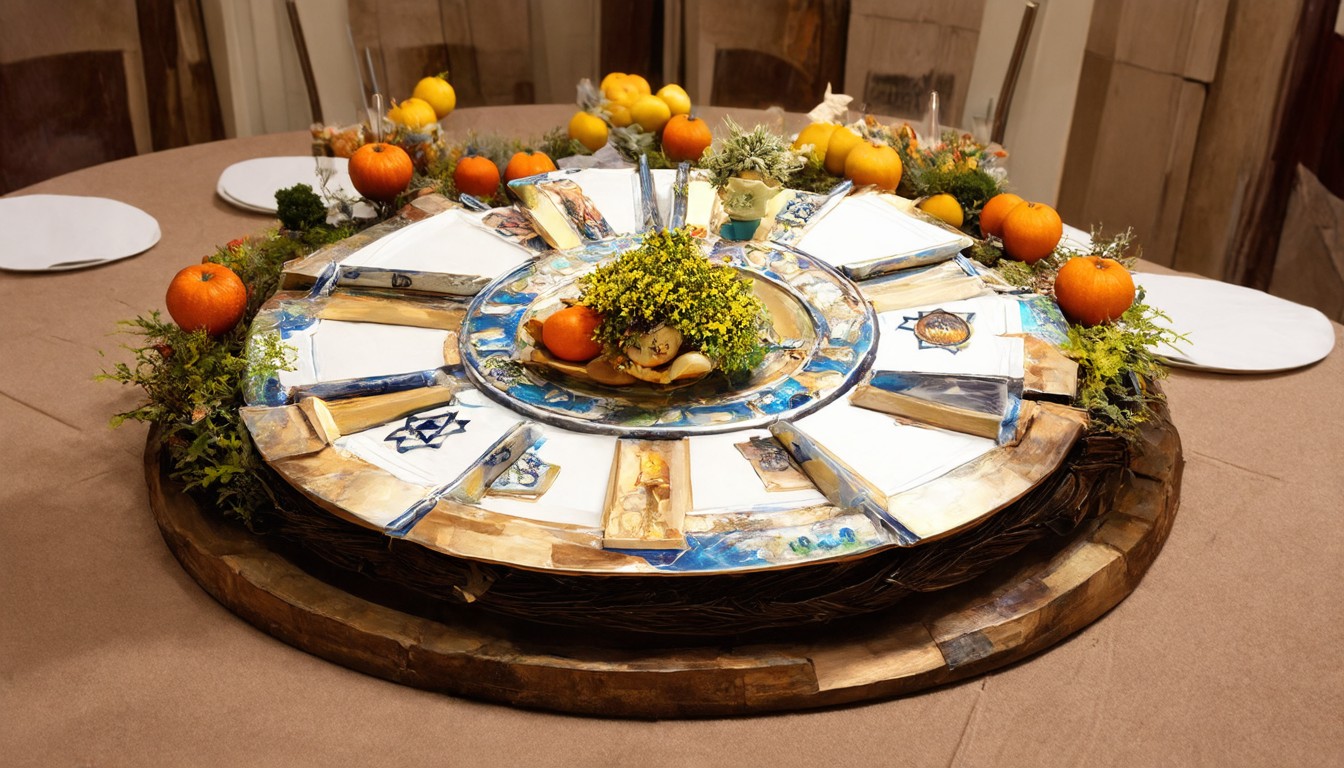
Harvard Hillel is celebrating Passover this spring with an extraordinary installation in the Science Center Plaza: a 9-foot Seder Plate sculpture created by local artist Michael Mittelman. This community-sized Seder plate, titled "The People's Plate," challenges the traditional representation of the Seder by featuring unique iconography in the slots that usually hold the six symbolic foods that tell the story of the Hebrew exodus from Egypt. Instead, the images on this monumental plate are inspired by the stories of Harvard students, faculty, and alumni who have shared their experiences of Jewish identity and traditions.
The project, led in part by Rabbi Elisha Gechter, senior director of community engagement at Hillel, began with interviews conducted with six individuals. Rabbi Gechter and Mittelman asked them about their feelings of belonging within the Jewish community, instances where they have had to hide parts of their identity, childhood memories, and ideas about legacy. These conversations formed the basis for the visual representations that Mittelman incorporated into his sculpture.
Michael Mittelman, whose previous work focused on the intersection of art and technology, approached this project with the intention of creating something joyful and positive. The final product showcases imagery of gathering, conversation, and a chopped-down tree that still reflects its past standing tall. The tree imagery emerged from a discussion about seeing all sides of a situation and recognizing that even in the losing side of an argument, the language of the argument is still treasured.
"The People's Plate" will be on display through Passover as part of a week of events hosted by Hillel to celebrate the holiday and Jewish life on campus. Anonymous written versions of the six stories that inspired the sculpture will also be available for readers to explore alongside the plate.
This innovative approach to the Seder plate not only highlights the diverse experiences of the Jewish community at Harvard but also encourages a deeper reflection on the meaning of Jewish identity in contemporary times. By inviting individuals to share their personal stories, Hillel and Mittelman have created a space for connection and understanding, offering a "bigger picture" of what it means to be Jewish in the 21st century.
The installation serves as a powerful reminder of the importance of inclusivity and shared history in the Jewish tradition. It invites passersby to engage with the stories represented in the sculpture, fostering a sense of community and shared purpose. As the week of Passover events unfolds, "The People's Plate" will undoubtedly become a focal point for reflection, conversation, and celebration among students, faculty, and alumni alike.
This unique public art project not only enriches the campus landscape during Passover but also underscores the ongoing mission of Hillel to create a welcoming and inclusive environment for Jewish life on campus. Through Mittelman's sculpture and the stories it tells, Hillel is able to celebrate the diversity of the Jewish community while promoting a deeper understanding and appreciation of its shared heritage.
In an era where identity and belonging are increasingly important topics, "The People's Plate" offers a powerful testament to the enduring relevance of the Seder tradition and its ability to adapt and inspire new generations of Jews. As the sculpture stands tall in the Science Center Plaza, it serves as a beacon of hope and unity, inviting all who pass by to join in the conversation about what it means to be Jewish today.









