
A Bad Deal Today Means a Bigger War Tomorrow
Iran has given the international community little reason to trust it since the 1979 revolution that led to the establishment of the Islamic Republic. Negotiations to end the war today would be dangerously premature, naive, and likely to produce an outcome that all but guarantees another war.
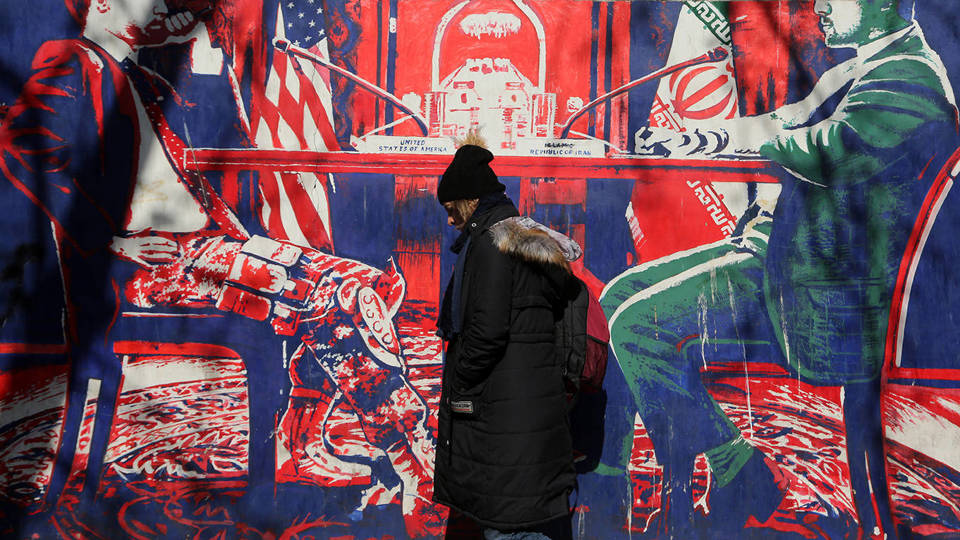
Iran has given the international community little reason to trust it since the 1979 revolution that led to the establishment of the Islamic Republic. The country's history of violating international agreements, supporting terrorist groups, and pursuing a nuclear program have fueled concerns among global leaders. Negotiations to end the war today would be dangerously premature, naive, and likely to produce an outcome that all but guarantees another war.
The 1979 revolution marked a significant shift in Iran's foreign policy, moving it away from its previous alignment with the West and towards a more confrontational stance. Since then, Iran has been accused of supporting various militant groups, including Hezbollah in Lebanon and Hamas in the Palestinian territories. These actions have led to increased tensions in the Middle East and beyond, with many countries viewing Iran as a destabilizing force.
In recent years, the international community has attempted to address Iran's nuclear program through diplomatic efforts, most notably the 2015 Joint Comprehensive Plan of Action (JCPOA). However, the agreement has faced numerous challenges, with the United States withdrawing under former President Donald Trump and concerns about Iran's compliance with the terms. The ongoing nuclear negotiations have been fraught with mistrust, with both sides accusing the other of violating the agreement.
Given this context, any attempt to negotiate an end to the war today would be seen as naive. The root causes of the conflict, such as Iran's regional ambitions and its support for proxy wars, would likely remain unaddressed. A premature peace agreement could inadvertently embolden Iran, allowing it to consolidate its power and further destabilize the region.
Moreover, the international community must consider the potential consequences of a negotiated settlement. If Iran were to emerge victorious in the current conflict, it could further enhance its influence in the Middle East, potentially leading to increased tensions with neighboring countries and the United States. On the other hand, if Iran were to suffer significant losses, it might turn to more aggressive tactics to compensate for its diminished status, potentially escalating the conflict.
In addition to the regional implications, the broader international community must also weigh the potential impact on global security. Iran's actions have implications for countries far beyond its borders, as seen in the ongoing conflicts in Syria and Yemen. A premature peace agreement could inadvertently allow Iran to continue its destabilizing activities, with little to no accountability.
Critics argue that any negotiations must be accompanied by robust verification measures and international oversight to ensure compliance. However, given Iran's history of defying international agreements, such measures may not be sufficient to guarantee a lasting peace.
In conclusion, while negotiations to end the war may seem like a logical step, they could ultimately prove to be a dangerous misstep. The international community must carefully consider the long-term implications of any agreement, recognizing that a bad deal today could pave the way for a much bigger war tomorrow. The key lies in addressing the underlying issues and ensuring that any peace agreement is sustainable and effective in preventing further conflict.









