A ₹200-crore ‘Banana Cluster’: A Major Step Towards Transforming The Agriculture Sector
On the auspicious occasion of Gudi Padwa, Union Minister for Agriculture & Farmers’ Welfare, and Rural Development, Shivraj Singh Chouhan held a cordial interaction with banana-producing farmers in Jalgaon, Maharashtra, … The post A ₹200-crore ‘Banana Cluster’: A Major Step Towards Transforming The Agriculture Sector appeared first on Agriculture Post .
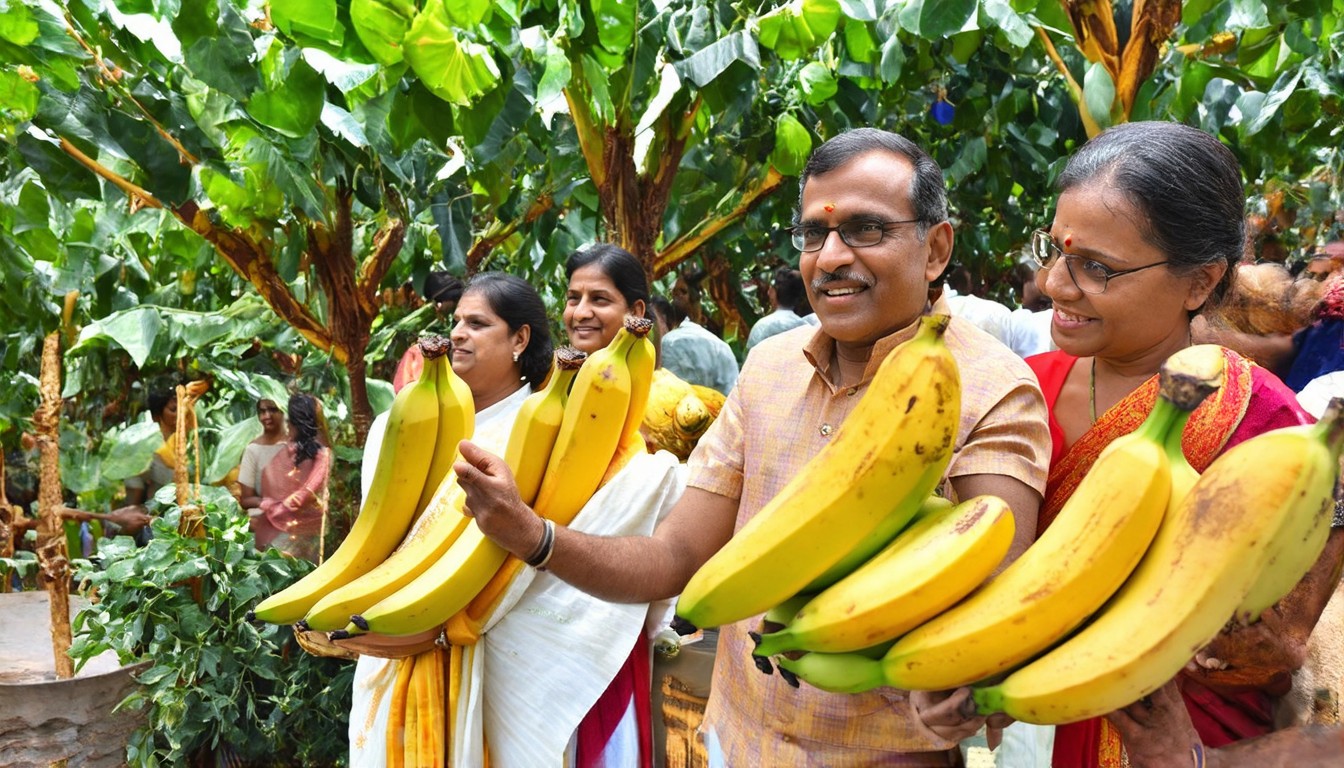
On the auspicious occasion of Gudi Padwa, a significant festival in the Marathi calendar, Union Minister for Agriculture, Farmers’ Welfare, and Rural Development, Shivraj Singh Chouhan, visited banana-producing farmers in Jalgaon, Maharashtra. This visit marked a pivotal moment in the agriculture sector as the government announced a ₹200-crore initiative, dubbed the 'Banana Cluster,' aimed at transforming the industry and boosting productivity.
The 'Banana Cluster' project is a comprehensive plan to modernize banana cultivation across the country. It includes investments in infrastructure, research, and development, as well as providing financial assistance to farmers. The initiative is part of the government's broader strategy to enhance agricultural productivity and ensure food security.
During his interaction with the farmers, Minister Chouhan emphasized the importance of this project in elevating the banana industry to a global standard. He highlighted that the ₹200-crore investment would be used to establish state-of-the-art banana processing units, improve irrigation systems, and introduce advanced agricultural techniques. These measures are expected to significantly increase the yield and quality of bananas produced in the country.
In addition to infrastructure development, the 'Banana Cluster' initiative also focuses on research and development. The government plans to invest in creating new banana varieties that are resistant to pests and diseases, ensuring consistent and high-quality produce. This would not only enhance the market appeal of Indian bananas but also reduce the reliance on chemical pesticides, promoting sustainable farming practices.
Financial support is another critical component of the 'Banana Cluster' project. The government intends to offer competitive prices for bananas procured from farmers, ensuring a stable income for them. This would help alleviate the financial pressures faced by small-scale farmers and encourage them to invest in their farms. Furthermore, the initiative includes provisions for affordable credit facilities, enabling farmers to purchase essential inputs like seeds, fertilizers, and equipment.
The visit to Jalgaon also underscored the government's commitment to rural development. Minister Chouhan reiterated that the 'Banana Cluster' is not just about agriculture but also about empowering rural communities. By improving the banana industry, the government aims to create job opportunities and stimulate economic growth in rural areas. This would help reduce migration from villages to cities and address the challenges posed by rural depopulation.
The 'Banana Cluster' initiative is a testament to the government's dedication to transforming the agriculture sector. It represents a significant step towards modernizing India's farming practices and making the country a global leader in banana production. With this investment, the government hopes to not only boost the banana industry but also set a precedent for other agricultural sectors, fostering sustainable growth and prosperity for farmers across the nation.
In conclusion, the ₹200-crore 'Banana Cluster' project is a landmark initiative that promises to revolutionize the banana industry in India. By focusing on infrastructure, research, financial support, and rural development, the government is taking a bold step towards transforming agriculture and ensuring a brighter future for farmers. This project not only highlights the government's commitment to rural areas but also signals a new era of innovation and growth in the agricultural sector. As the banana industry expands, it will create a ripple effect, benefiting not only farmers but also the broader economy and society as a whole.