8 Indian Vessels Cross Strait Of Hormuz Amid Iran's Blockade, Highest For Any Country | Check List
Earlier, the LPG tanker ‘Green Sanvi’ successfully crossed the Strait of Hormuz and is now moving towards India as the US-Israeli war against Iran continues.
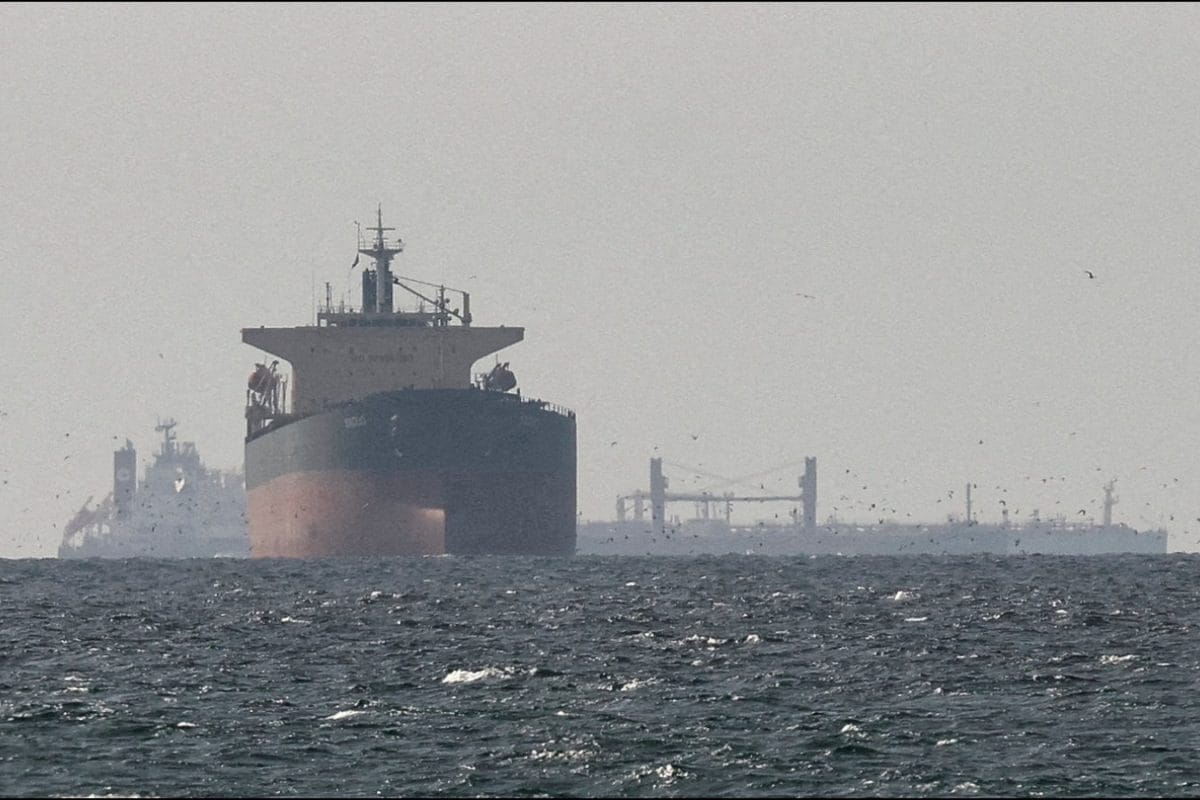
On a tense day in the Middle East, eight Indian vessels navigated the Strait of Hormuz, a strategic waterway that has become a focal point of geopolitical tensions amid the ongoing US-Israeli campaign against Iran. The LPG tanker "Green Sanvi" was among the first to successfully traverse the strait, marking a significant milestone as it heads towards India. This move underscores the resilience of India's maritime operations and its ability to navigate the volatile region despite Iran's heightened blockade measures.
The Strait of Hormuz, a narrow waterway between the Persian Gulf and the Gulf of Oman, is a critical chokepoint for global oil and gas shipping. It accounts for approximately 30% of the world's daily oil production and around 20% of global natural gas liquids (NGLs) trade. As such, it has long been a point of contention among nations, with Iran's recent actions further escalating tensions.
In recent weeks, Iran has intensified its blockade efforts in the strait, citing security concerns and the need to protect its territorial waters. This move has been met with concern from international maritime communities, particularly those reliant on the strait for trade. The US and Israel, meanwhile, have accused Iran of using the blockade as a tool to disrupt global energy markets and pressure its adversaries.
Amid this backdrop, India's eight vessels, including the "Green Sanvi," have demonstrated their capability to navigate the strait safely. This achievement is particularly notable given the heightened risks associated with the region. The Indian government has been vocal about its commitment to ensuring the security and safety of its maritime assets, even as tensions rise.
The "Green Sanvi" incident highlights India's strategic position in the region. As a major importer of oil and gas, India has long been concerned about the stability of global energy markets. The successful crossing of its vessels through the Strait of Hormuz serves as a testament to the country's maritime prowess and its ability to adapt to changing geopolitical landscapes.
Moreover, India's actions in this context are also a reflection of its diplomatic efforts to maintain neutrality while safeguarding its interests. The country has been cautious in publicly condemning Iran's actions, instead focusing on ensuring the safety of its ships and crew. This approach has been seen as a pragmatic response to the complex situation, balancing the need for energy security with the broader geopolitical implications.
The successful navigation of the Strait of Hormuz by Indian vessels also underscores the importance of maritime security in today's interconnected world. The strait's strategic significance extends beyond energy trade, as it is a vital route for the movement of goods, people, and ideas. Any disruption to this flow can have far-reaching consequences for global economies and stability.
As the US-Israeli campaign against Iran continues, the situation in the Strait of Hormuz remains precarious. The recent actions of Indian vessels serve as a reminder of the need for continued vigilance and diplomatic engagement. The international community must work together to ensure the safe and uninterrupted passage of ships through the strait, a critical factor in maintaining global energy security and economic stability.
In conclusion, the successful crossing of eight Indian vessels, including the "Green Sanvi," through the Strait of Hormuz amid Iran's blockade is a significant development in the ongoing geopolitical tensions. It showcases India's maritime resilience and its ability to navigate the volatile region while safeguarding its interests. As the US-Israeli campaign against Iran persists, the international community must remain vigilant and committed to ensuring the security and freedom of navigation in the strait, a cornerstone of global energy and economic stability.