
5 Mysteries That the Artemis Missions to the Moon Could Finally Solve
The moon is not just a barren rock orbiting the Earth. The Artemis missions could answer the great unknowns that the satellite holds.
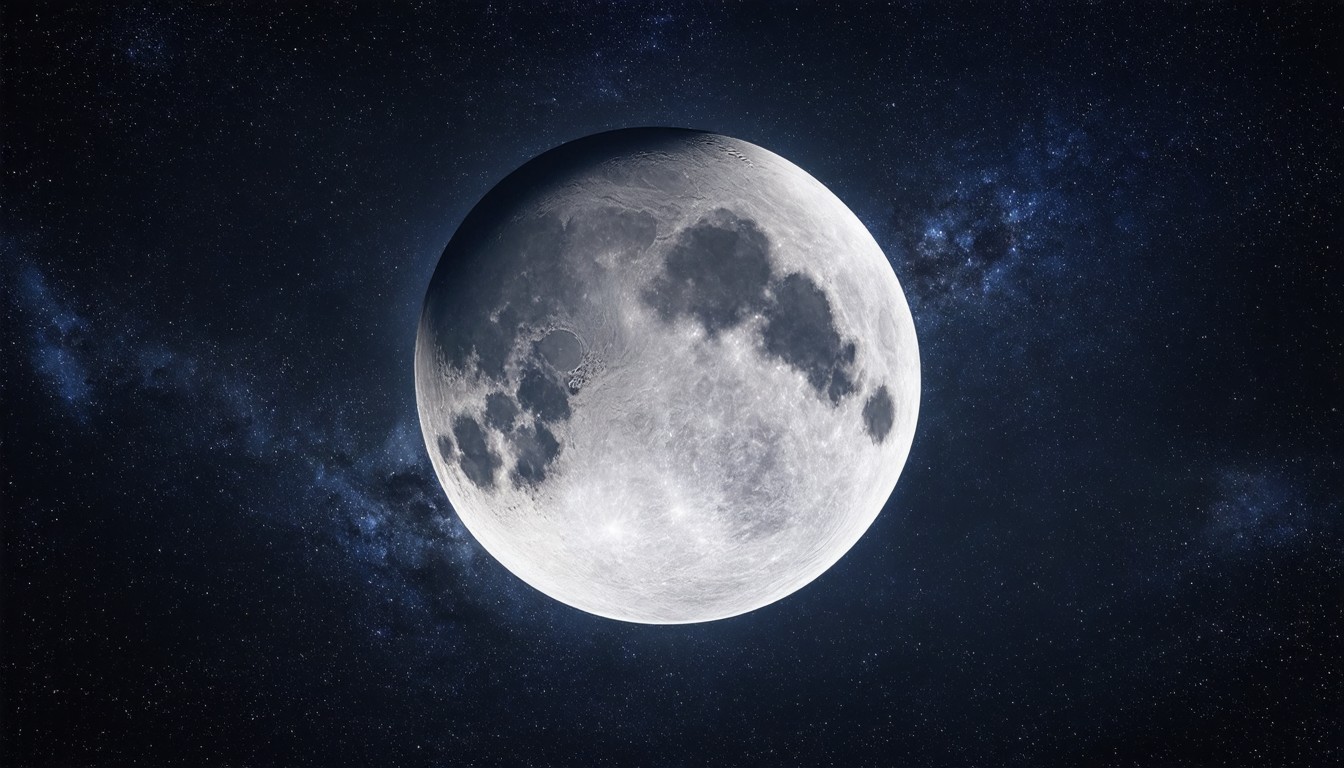
The Artemis missions, a series of crewed and uncrewed spaceflights planned by NASA and its international partners, are set to revisit the Moon for the first time in over five decades. These missions hold the promise of unraveling some of the most intriguing mysteries that our closest celestial neighbor continues to hold. While the Moon is often portrayed as a barren rock, it is in fact a complex and dynamic body teeming with scientific enigmas. The Artemis program, with its ambitious goals of establishing a sustainable lunar presence, is poised to answer some of the most pressing questions about the Moon's origins, composition, and potential for life. Here are five mysteries that the Artemis missions could finally solve.
First and foremost, the Artemis missions could shed light on the Moon's formation and evolution. Current theories suggest that the Moon was formed approximately 4.5 billion years ago from the debris of a giant impact between Earth and a Mars-sized body known as Theia. However, the exact details of this cataclysmic event remain uncertain. By studying the Moon's composition and geological features, the Artemis missions aim to gather data that could confirm or refute existing models. For instance, samples from the Moon's surface, particularly from the far side, could reveal clues about the impactor's composition and the conditions during the Moon's formation.
Second, the Artemis missions could help determine the Moon's internal structure. While we have a general understanding of the Moon's layers—a solid inner core, a liquid outer core, and a rigid crust—the exact extent and properties of these layers are not fully understood. Seismic data from past missions, such as the Apollo program and the Lunar Reconnaissance Orbiter, have provided some insights, but in-situ measurements are needed for a more accurate picture. By deploying instruments on the lunar surface, the Artemis missions could measure seismic activity and magnetic fields more precisely, allowing scientists to better model the Moon's internal structure and understand its long-term geological activity.
Third, the Artemis missions could reveal the presence of water on the Moon. Recent discoveries, including signs of water ice in permanently shadowed craters and hydroxyl-bearing minerals on the surface, have reignited interest in the Moon's potential as a resource for future astronauts. Understanding the distribution and abundance of water on the Moon is crucial for planning sustainable lunar exploration and eventual missions to Mars. The Artemis missions plan to collect samples from various regions, including the poles, to determine the extent of water resources and assess their potential for use in life support systems and propellant production.
Fourth, the Artemis missions could address the question of whether the Moon ever had an atmosphere. Evidence from lunar samples and orbiters suggests that the Moon may have had a tenuous atmosphere in its early history, possibly due to volcanic outgassing. However, the duration and characteristics of this atmosphere remain uncertain. By analyzing lunar rocks and soil for traces of gases and minerals that form in the presence of an atmosphere, the Artemis missions could provide definitive answers about the Moon's atmospheric history and its potential for sustaining life in the past.
Finally, the Artemis missions could explore the possibility of life on the Moon. While the harsh lunar environment—extreme temperature fluctuations, high radiation levels, and lack of liquid water—makes it seem inhospitable, recent discoveries of subsurface ice and organic molecules have reignited the debate. The Artemis missions plan to collect samples from the lunar surface and potentially from the subsurface, where conditions might be more stable. Advanced laboratory analyses back on Earth could reveal the presence of organic compounds or other biosignatures, which would have profound implications for our understanding of life's potential to exist beyond Earth.
In conclusion, the Artemis missions represent a significant leap forward in our exploration of the Moon. By addressing these five mysteries, the program could transform our understanding of the Moon's past, present, and future. Moreover, the knowledge gained from these missions will not only enrich our scientific knowledge but also pave the way for sustainable human presence on the Moon and inspire future space exploration, including missions to Mars and beyond. As the Artemis program progresses, the world watches with anticipation, eager to uncover the secrets that the Moon has been guarding for eons.








