
40 years ago Khalistani terrorists kill six cops, free undertrials linked to Ramesh Chandra murder – A reminder of the dark times
Three accused asked to use the toilet before Khalistani terrorists opened fire on waiting constables. Eyewitnesses suspected over a dozen terrorists blending into crowds, complicating pursuit and enabling escape after freeing undertrials linked to the case.
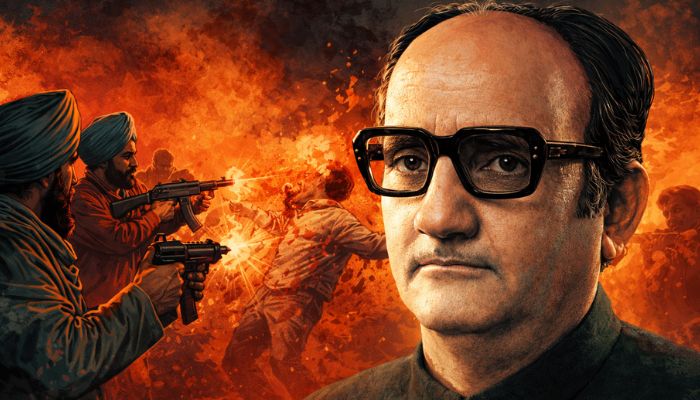
On April 5, 1986, a chilling incident unfolded in Jalandhar, marking a dark chapter in the history of Punjab's turbulent struggle against Khalistani insurgency. Over a dozen Khalistani terrorists ambushed and killed six Punjab Police personnel in a well-planned operation, escaping with three undertrials linked to the Ramesh Chandra murder case. This event, now 40 years later, serves as a haunting reminder of the violence and unrest that plagued the region during that time.
The attack began when three of the accused in the Ramesh Chandra murder case requested permission to use the toilet. As three constables waited outside the courtroom, the terrorists suddenly opened fire, brutally killing the police personnel. The incident was meticulously orchestrated, with the terrorists using Thomson machine carbines, a .455 pistol, and sten guns, firing at least 50 rounds. Two constables who attempted to pursue the fleeing terrorists in their jeep were also gunned down, further highlighting the ruthless nature of the attack.
Eyewitnesses reported seeing more than a dozen terrorists blend into the crowd, making it nearly impossible for the police to mount an effective chase. Their ability to disappear into the masses allowed the terrorists to escape unscathed, leaving behind a trail of blood and chaos. The use of such firepower and the sheer number of attackers indicated that the operation was not a spontaneous act but a meticulously planned one, reflecting the depth of the Khalistani insurgency's reach and resources.
The undertrials freed in this attack were linked to the murder of Ramesh Chandra, the son of Lala Jagat Narain, the founder of the Hind Samachar media group. Ramesh Chandra, born on December 24, 1926, in Lyallpur (now Faisalabad, Pakistan), was serving as the editor of the Hind Samachar Group, which included prominent newspapers such as Punjab Kesari. His murder on May 12, 1984, was a chilling reminder of the price paid by those who dared to speak out against the Khalistani terrorists.
Both Lala Jagat Narain and his son Ramesh Chandra were targeted for their fearless journalism. Their assassinations underscored the terrorists' determination to silence those who opposed their cause. The Ramesh Chandra murder case, which the undertrials were connected to, was a focal point of the struggle between the state and the insurgents. The attack on the police personnel to free these accused was a direct challenge to the authority of the Indian state, showcasing the insurgents' audacity and willingness to resort to extreme violence.
Forty years have passed since this harrowing incident, yet the scars of the Khalistani insurgency in Punjab remain vivid. The violence inflicted on the general public and the police personnel during this period was a testament to the depth of the conflict and the ruthless tactics employed by the terrorists. The attack on the Jalandhar police, which led to the freeing of the undertrials linked to the Ramesh Chandra murder, was just one of many such incidents that defined the era.
Today, as we reflect on this dark chapter, it is crucial to remember the sacrifices made by those who stood against the tide of terror. The brutal murder of Ramesh Chandra and the subsequent attack on the police personnel serve as a stark reminder of the challenges faced by the Indian state in its fight against insurgency. The wounds of that time may have healed, but the memories of those who paid the ultimate price in the struggle for peace and security in Punjab will never be forgotten.








