
4 Takeaways from Antonio Neri's Keynote at HPE Discover 2025
Antonio Neri's HPE Discover 2025 keynote touched on AI's transformative role, emphasizing generative, agentic and physical AI, as well as the company's focus on private cloud and ecosystem partnerships.
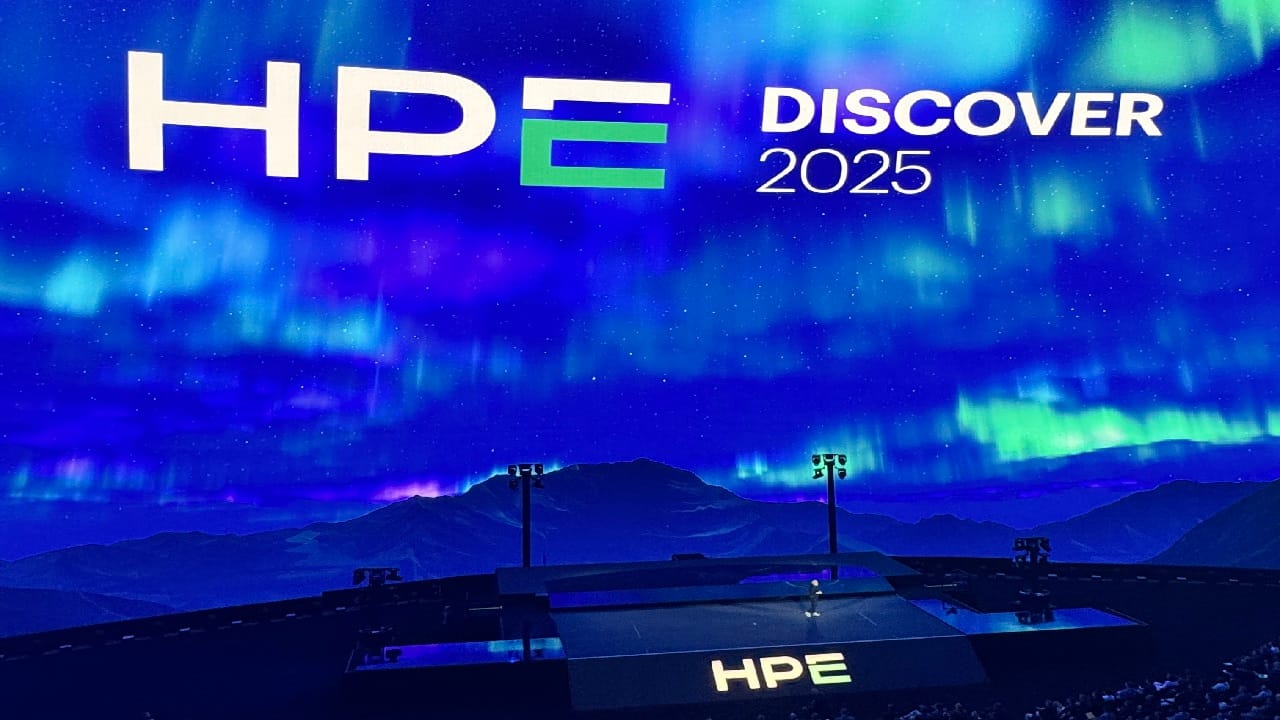
Antonio Neri's keynote at HPE Discover 2025 provided valuable insights into the evolving landscape of technology, with a particular focus on artificial intelligence (AI) and its transformative potential. Neri, the CEO of Hewlett Packard Enterprise (HPE), highlighted three key types of AI—generative, agentic, and physical—and underscored the company's commitment to advancing private cloud solutions and fostering ecosystem partnerships.
In the first part of his presentation, Neri discussed generative AI, which is designed to create new content and solve complex problems. He noted that generative AI is not just about language models but encompasses a wide range of applications, from healthcare to finance. Neri emphasized that HPE is investing heavily in generative AI research and development to ensure it remains at the forefront of innovation. He also mentioned that generative AI is becoming increasingly accessible, with more businesses adopting these technologies to enhance their operations and decision-making processes.
Next, Neri turned his attention to agentic AI, which involves AI systems that can act autonomously in the physical world. He explained that agentic AI is crucial for industries such as manufacturing, logistics, and robotics, where machines need to make real-time decisions and interact with their environment. Neri highlighted HPE's partnerships with leading robotics and automation companies to integrate agentic AI solutions into its offerings. He also stressed the importance of ensuring that agentic AI systems are safe, reliable, and capable of learning from their experiences.
The third type of AI Neri explored was physical AI, which combines AI with physical infrastructure to create intelligent systems. He explained that physical AI is essential for industries such as smart cities, energy, and transportation, where AI must interact with the physical world to optimize performance and efficiency. Neri announced that HPE is expanding its portfolio of physical AI solutions, including edge computing and IoT platforms, to help businesses leverage the full potential of these technologies.
In addition to AI, Neri also emphasized HPE's focus on private cloud solutions. He noted that the demand for private clouds is growing as businesses seek greater control over their data and applications. HPE, he said, is committed to providing scalable, secure, and efficient private cloud services that meet the evolving needs of its customers. Neri highlighted the company's investments in cloud infrastructure and software, as well as its partnerships with leading cloud providers, to ensure a seamless integration of private cloud solutions.
Finally, Neri underscored the importance of ecosystem partnerships in driving innovation and success in the technology industry. He explained that HPE is actively collaborating with a wide range of partners, including startups, established companies, and research institutions, to accelerate the development and deployment of AI and cloud technologies. Neri emphasized that these partnerships are crucial for HPE to stay competitive and deliver innovative solutions to its customers.
In conclusion, Antonio Neri's keynote at HPE Discover 2025 provided a comprehensive overview of the company's vision for the future of AI and cloud computing. By focusing on generative, agentic, and physical AI, as well as private cloud solutions and ecosystem partnerships, HPE is well-positioned to address the challenges and opportunities presented by the rapidly evolving technology landscape. As businesses continue to embrace AI and cloud technologies, HPE's commitment to innovation and collaboration will be key to its success in the years to come.









