21 vintage photos show how desperate and desolate America looked during the Great Depression
The Great Depression was the worst economic crisis in US history. More than 15 million Americans were left jobless and unemployment reached 25%.
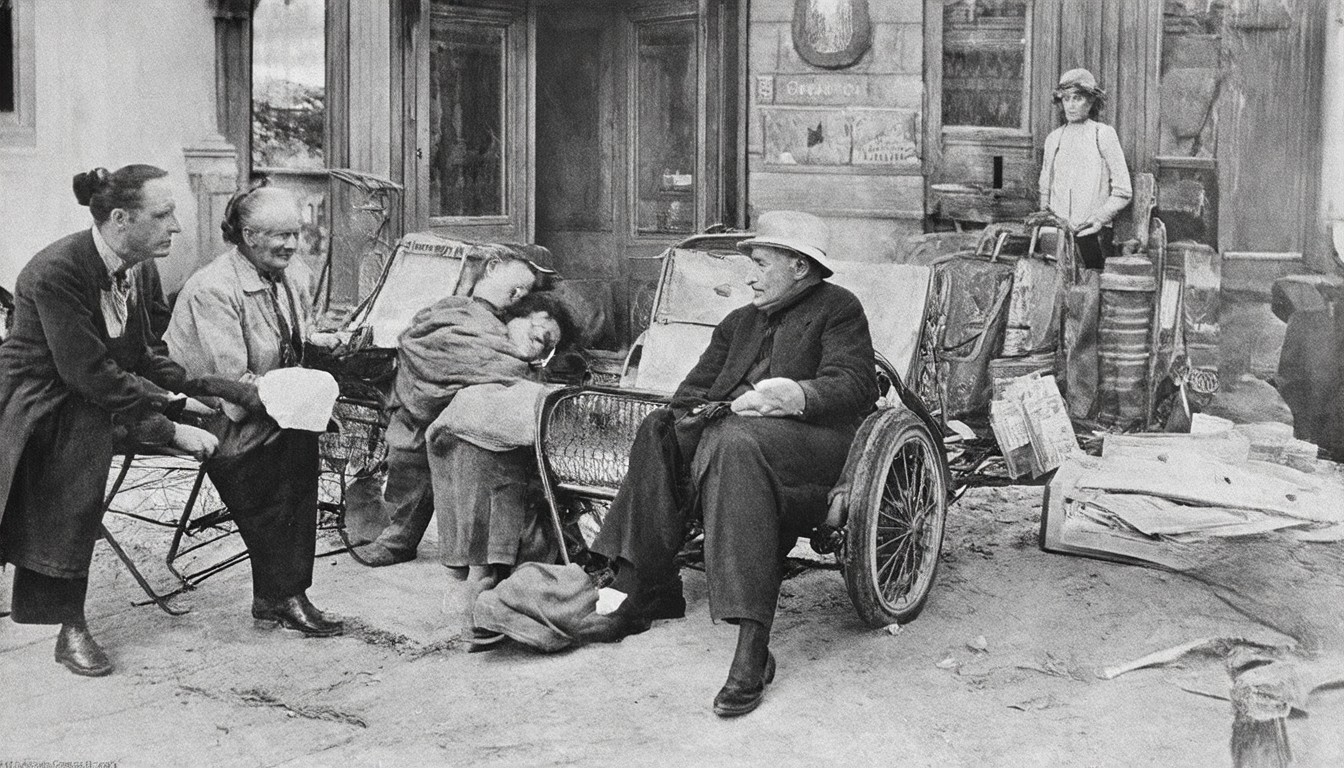
The Great Depression, the most severe economic crisis in American history, left millions of people desperate for work and struggling to survive. These 21 vintage photos offer a haunting glimpse into the bleak realities of life during the 1930s, a time when unemployment reached staggering heights and the nation faced unimaginable hardship.
The crisis began in 1929 when the stock market crashed, marking the end of a decade of prosperity. The ensuing economic collapse led to the collapse of banks, massive job losses, and widespread poverty. By 1932, nearly one in four Americans was unemployed, and by 1933, unemployment rates soared to an estimated 25%. For context, during the COVID-19 pandemic in 2020, the US unemployment rate reached 14.7% in April, a stark reminder of the severity of the Great Depression.
The photos capture the desolation of the era, with long lines of unemployed people waiting for food and work. Thousands of Americans faced starvation, as food shortages became a daily struggle. Soup kitchens, often run by charities or even figures like gangster Al Capone, became lifelines for the hungry and homeless. One such kitchen, opened by Capone in Chicago in 1930, served as a symbol of both desperation and community resilience.
The Great Depression was not just an economic catastrophe; it was a human tragedy. The crisis exposed deep-seated issues within society, including wealth inequality, overproduction, and a lack of government intervention. The imbalance between the wealthy and the poor, coupled with the production of goods without corresponding wage gains, contributed to the economic collapse. Additionally, personal debt and government mismanagement exacerbated the situation, leading to a downward spiral from which the nation struggled to recover.
Over the decade, more than 15 million Americans lost their jobs, leaving many families without means to support themselves. The photos capture the despair of the unemployed, who gathered in front of government buildings, hoping for any form of relief. One iconic image shows a crowd on the steps of the Sub-Treasury building in New York, just across from the New York Stock Exchange, on "Black Thursday," October 24, 1929.
The Great Depression also had a profound impact on the nation's psyche. The economic hardship led to widespread despair, with many Americans questioning the future of their country. The crisis spurred significant changes in government policy, including the New Deal programs introduced by President Franklin D. Roosevelt, which aimed to provide relief, recovery, and reform. These initiatives, though not without controversy, helped to stabilize the economy and paved the way for a gradual recovery.
As the world faces new economic challenges, from rising prices and volatile stock markets to concerns about potential uncertainty, these vintage photos serve as a stark reminder of the devastating consequences of economic collapse. They underscore the importance of addressing systemic issues and ensuring that no generation is forced to endure the same level of hardship. The Great Depression remains a cautionary tale, a testament to the resilience of the human spirit, and a call to action for policymakers and citizens alike to work together to prevent such a crisis from recurring.