2026 Named International Year of the Woman Farmer
FAO has launched the International Year of the Woman Farmer 2026, a global campaign to recognise women’s essential contributions to agrifood systems and accelerate action to close persistent gender gaps. Proclaimed by the UN General Assembly, the initiative will drive policy reform, investment and partnerships throughout 2026. FAO, IFAD and WFP will coordinate activities to advance gender equality and strengthen resilient food systems worldwide. The post 2026 Named International Year of the Woman Farmer appeared first on Seed World .
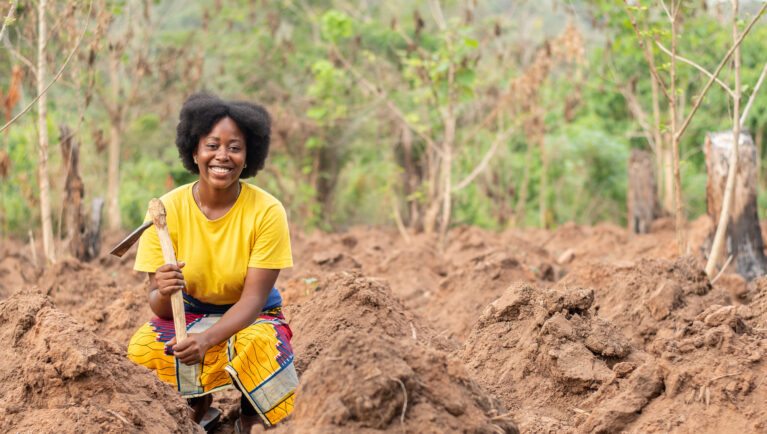
The Food and Agriculture Organization of the United Nations (FAO) has declared 2026 as the International Year of the Woman Farmer, a global campaign aimed at recognizing women’s crucial contributions to agrifood systems and accelerating efforts to close persistent gender gaps. Proclaimed by the UN General Assembly in 2024, this initiative seeks to highlight the challenges faced by women farmers while driving policy reform, investment, and partnerships to advance gender equality and build more resilient food systems worldwide.
FAO, in collaboration with the International Fund for Agricultural Development (IFAD) and the World Food Programme (WFP), will coordinate activities throughout 2026 to address the systemic barriers that hinder women’s participation in agriculture. Women form a significant portion of the global agricultural workforce, playing essential roles across agrifood value chains, from production and processing to distribution and trade. In 2021, agrifood systems employed 40% of working women globally, a figure nearly equal to that of men. Despite their vital contributions, women’s work remains undervalued, and their employment is often more precarious, characterized by irregular, informal, part-time, low-paid, and labor-intensive conditions, leaving them highly vulnerable.
Women farmers also face persistent structural barriers, including limited access to land, finance, technology, education, extension services, and meaningful participation in decision-making at all levels. These challenges have stagnated progress on women’s empowerment in agrifood systems over the past decade, as highlighted by FAO Chief Economist Máximo Torero. He warned that the cost of inaction is enormous, as closing the gaps between men and women in agriculture could significantly raise global GDP.
The International Year of the Woman Farmer 2026 aims to raise awareness about these issues and mobilize global action. By driving policy reform and investment, the campaign will work to advance gender equality and strengthen resilient food systems. The initiative will also focus on empowering women farmers through education, access to resources, and meaningful participation in decision-making processes.
The launch of this year-long campaign coincided with the 179th Session of the FAO Council, where stakeholders from across the agrifood sector gathered to discuss strategies for addressing gender disparities in agriculture. The event underscored the importance of collective action in promoting women’s rights and ensuring sustainable food systems for all.
In the coming year, FAO, IFAD, and WFP will organize events, workshops, and partnerships to celebrate the achievements of women farmers and promote inclusive policies. These efforts will include supporting research on gender-responsive agricultural practices, advocating for policy changes that address systemic barriers, and fostering collaboration between governments, civil society, and the private sector.
The International Year of the Woman Farmer 2026 is a critical opportunity to reaffirm the essential role of women in agriculture and to take concrete steps toward achieving gender equality. By recognizing and valuing their contributions, the global community can work towards building a more equitable and resilient agrifood system for the benefit of all.