13,000 EVs Registered In Bengaluru In A Day: Tax Change, Fuel Costs Drive Surge
This spike has also pushed up the city’s average daily EV registrations, which have now increased by nearly 400 percent.
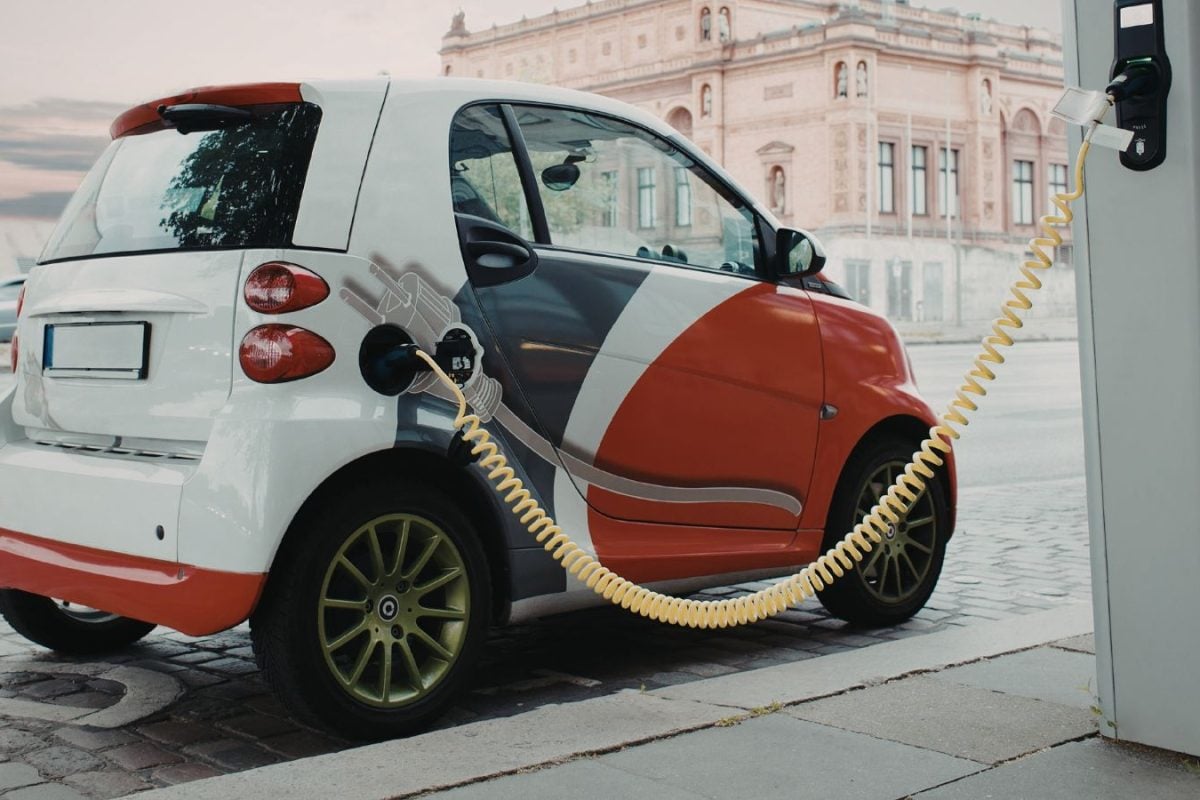
In a remarkable surge driven by tax incentives and rising fuel costs, Bengaluru, the capital of Karnataka, witnessed an unprecedented registration of 13,000 electric vehicles (EVs) in a single day. This record-breaking event has not only transformed the city's transportation landscape but has also significantly impacted its average daily EV registrations, which have increased by nearly 400 percent.
The dramatic rise in EV registrations can be attributed to a combination of factors, with the most significant being the recent tax changes implemented by the state government. In an effort to promote sustainable transportation and reduce carbon emissions, the government introduced a series of tax benefits for electric vehicle owners. These incentives include reduced registration fees, excise duty waivers, and tax exemptions, making EVs more affordable and attractive to potential buyers.
In addition to the tax incentives, the escalating cost of traditional fuels has also played a crucial role in driving the surge in EV registrations. With petrol and diesel prices consistently rising, many motorists in Bengaluru have turned to electric vehicles as a cost-effective alternative. The lower operating costs of EVs, coupled with the government's financial incentives, have made them a compelling choice for both individual commuters and businesses.
The city's transformation into a hub for electric vehicles is further underscored by the rapid expansion of charging infrastructure. Over the past few years, Bengaluru has seen a significant increase in the number of public charging stations, making it easier for EV owners to navigate the city without concerns about running out of power. This development has been supported by both the government and private sector investments, with companies like Tata Power, Bharat Heavy Electricals, and private players such as EnergyVC leading the charge.
The sudden influx of EVs in Bengaluru has also prompted a reevaluation of the city's transportation policies. Local authorities are now focusing on improving the integration of electric vehicles into the existing infrastructure, including the development of dedicated lanes and parking spots for EVs. Furthermore, the city's public transportation system is undergoing a gradual shift towards electric buses, with several routes already operating on clean energy.
The surge in EV registrations has not gone unnoticed by the automotive industry. Major car manufacturers, including companies like Mahindra, Hyundai, and Volkswagen, have ramped up their production and sales efforts in the region, recognizing the growing demand for electric vehicles. This has led to an increase in job opportunities in the EV sector, boosting the local economy and contributing to Bengaluru's reputation as a tech and innovation hub.
However, the rapid adoption of EVs has also raised concerns about the potential impact on the environment and energy consumption. With the number of electric vehicles on the road increasing exponentially, there is a growing need for sustainable energy sources to power them. The state government is addressing these concerns by investing in renewable energy projects, such as solar and wind farms, to ensure a clean and efficient energy supply for the growing EV fleet.
In conclusion, the record-breaking registration of 13,000 electric vehicles in Bengaluru in a single day is a testament to the city's commitment to sustainable transportation and its role as a pioneer in the EV industry. The combination of tax incentives, rising fuel costs, and the expansion of charging infrastructure has created an ideal environment for electric vehicles to thrive. As Bengaluru continues to lead the charge in the transition to clean energy, it sets an example for other cities to follow, paving the way for a greener and more sustainable future.