
10 years later, no phone has replaced what Google promised
Project Ara could have changed how we upgrade our phones, but we don’t get to have nice things.
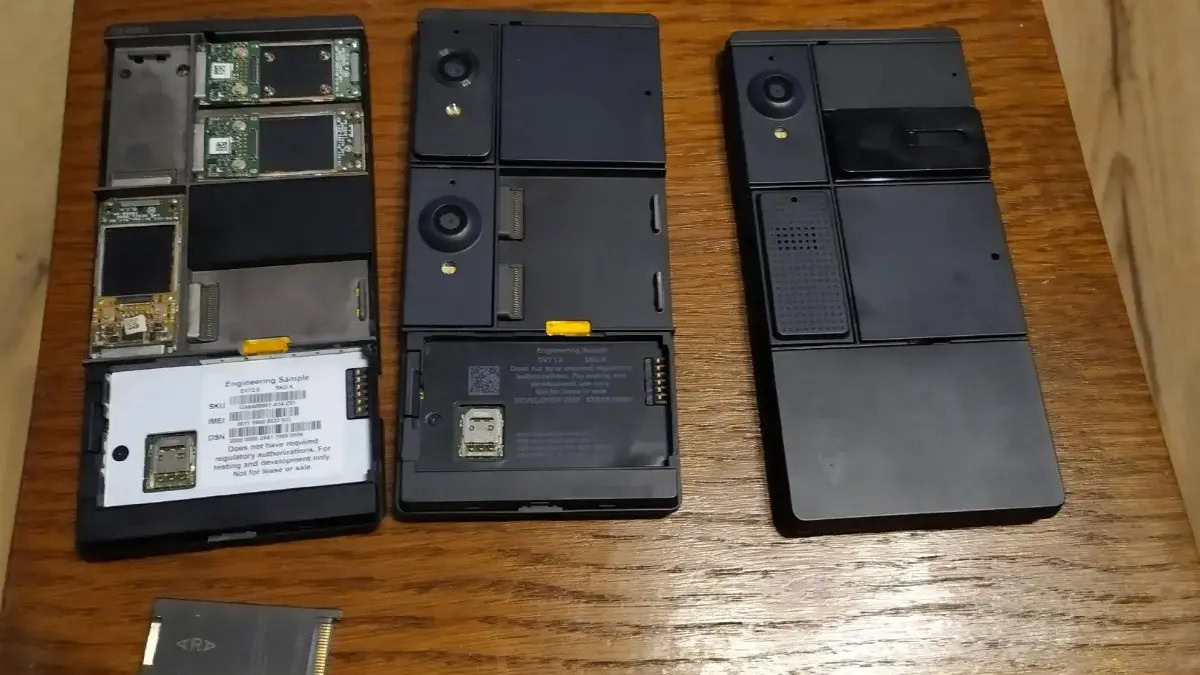
Ten years ago, Google's Project Ara envisioned a future where smartphones could be customized and upgraded like computers. The idea was revolutionary: instead of replacing an entire device, users could swap out individual components as they aged or became obsolete. This modular approach promised to reduce electronic waste and offer unparalleled flexibility. However, as the decade anniversary of Project Ara's conception passes, it's clear that the visionary idea has not materialized. In fact, the smartphone market has taken a starkly different path, moving further away from modularity and repairability.
Project Ara aimed to redefine the smartphone industry by introducing a modular design. The concept was inspired by the PC industry, where users can upgrade specific components like the processor, graphics card, or storage drive. Google's vision was to apply this same principle to smartphones, allowing users to upgrade only the parts that needed improvement. This would not only extend the lifespan of devices but also reduce the environmental impact of frequent replacements.
The modular design of Project Ara was intended to be a game-changer. Users could theoretically keep their phone's core hardware, such as the display and battery, while swapping out components like the camera, processor, or storage. This would eliminate the need for a complete overhaul every few years, a practice that has become the norm in the smartphone industry. The potential benefits were vast: reduced waste, lower costs for consumers, and increased innovation as component manufacturers competed to offer better modules.
Despite the initial excitement, Project Ara faced numerous challenges. One of the main obstacles was the complexity of integrating multiple modules into a cohesive system. Ensuring compatibility, reliability, and performance across a wide range of components was a daunting task. Additionally, the project required collaboration between multiple manufacturers, which proved difficult to coordinate.
Another significant hurdle was the resistance from smartphone manufacturers. Traditional phone companies were built around the idea of selling complete, integrated devices. Modular phones could disrupt this business model, as users would no longer feel the need to purchase entirely new devices every few years. This resistance, combined with the technical challenges, led to Google's decision to shelve Project Ara in 2016.
In the years since Project Ara's cancellation, the smartphone industry has continued to move in the opposite direction. Manufacturers have implemented aggressive upgrade cycles, with new models released almost annually. This has led to a culture of disposable technology, where consumers are encouraged to replace their devices frequently. Furthermore, smartphone makers have taken steps to make repairs more difficult and expensive, often using proprietary components and glue that makes disassembly nearly impossible.
The trend towards non-modular, non-repairable devices raises concerns about electronic waste and consumer waste. According to the United Nations, the global e-waste generation is expected to reach 74 million metric tons by 2030. This rapid turnover of devices not only contributes to environmental harm but also strains resources and labor in countries where e-waste is often disposed of unsafely.
The failure of Project Ara to take off has left consumers with limited options for upgrading their smartphones. While some companies like Fairphone and Fair SMS offer modular devices, they remain niche solutions. The majority of the market continues to prioritize proprietary, non-modular designs that lock users into a cycle of buying new devices.
The contrast between Google's ambitious vision for Project Ara and the current state of the smartphone industry is stark. Ten years on, we still rely on non-modular devices that are difficult to repair and upgrade. The environmental and economic costs of this approach are becoming increasingly apparent, yet there is little sign of a shift towards more sustainable practices.
As we look to the future, the lessons from Project Ara serve as a reminder of the potential benefits of modularity and repairability. While the vision may not have been realized, it highlights the need for innovation in how we design and manufacture technology. The smartphone industry must confront the environmental and social costs of its current practices if it is to move towards a more sustainable future.
In the meantime, consumers are left to navigate a market that prioritizes profit over longevity. The dream of a modular smartphone may still be out of reach, but the conversation it sparked is crucial. As we continue to grapple with the consequences of our technological choices, the legacy of Project Ara serves as a call to rethink the way we approach innovation and sustainability in the digital age.









