
1 in 3 Hong Kong commercial laundry operators at risk of closure as oil prices soar
As many as a third of laundry companies serving corporate clients in Hong Kong could shut down due to soaring fuel costs, an industry leader has warned, with some operators forced to reject new orders and freeze hiring. Industry representatives said on Monday the price of industrial diesel, commonly known as “red diesel”, surged from about HK$6 (80 US cents) per litre in late February to as high as HK$17.50 in early April, an increase of more than 190 per cent. The sharp rise has sharply raised...
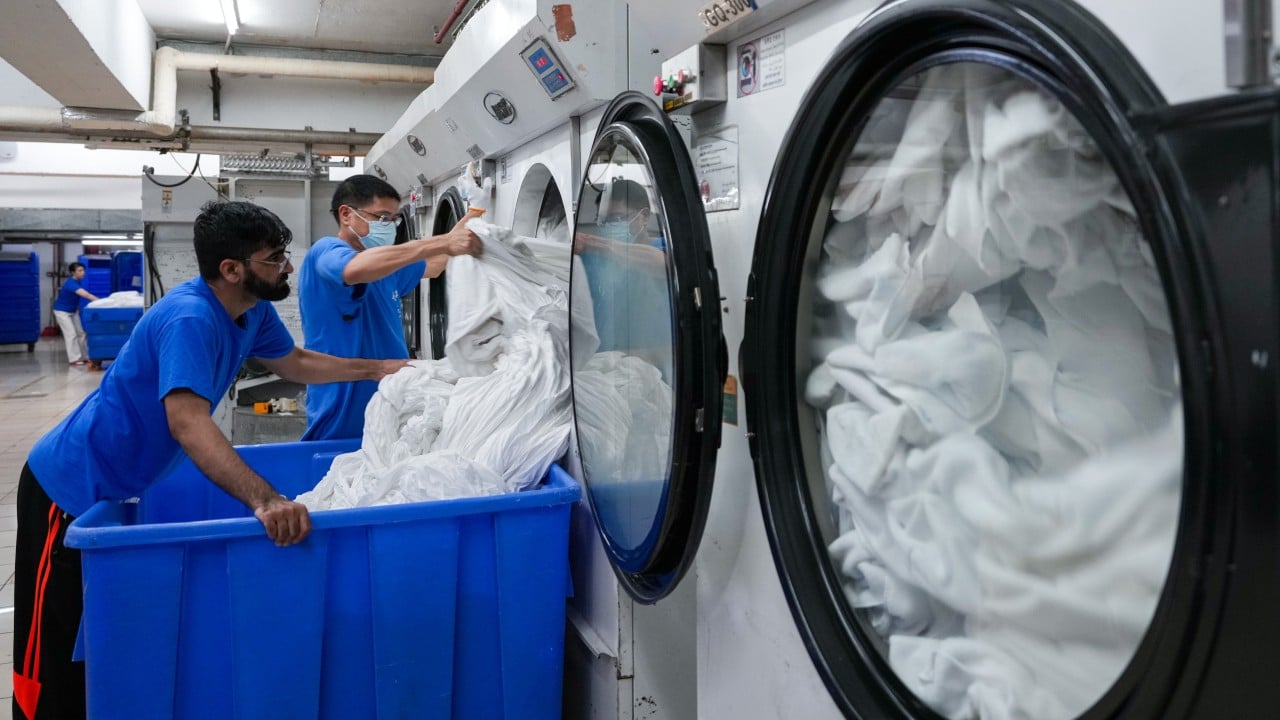
As many as a third of laundry companies serving corporate clients in Hong Kong could shut down due to soaring fuel costs, an industry leader has warned. The situation has become dire for operators who rely on industrial diesel, commonly known as “red diesel,” which has seen a dramatic increase in price. In late February, the cost of red diesel was around HK$6 (approximately 80 US cents) per litre, but by early April, it had surged to as high as HK$17.50, marking an increase of more than 190 per cent. This sharp rise in fuel costs has forced some laundry operators to reject new orders and freeze hiring, putting their businesses at risk of closure.
The industry's vulnerability stems from the fact that many commercial laundry operators in Hong Kong use red diesel to power their vehicles and machinery. The price hike has significantly increased their operational expenses, making it difficult for them to sustain their businesses. Some operators have reported that their fuel costs have more than doubled in a matter of weeks, which has put a strain on their cash flow and profit margins.
Industry representatives have expressed concern about the potential cascade effect of these closures. Many commercial laundry operators serve multiple corporate clients, and their shutdown could lead to a shortage of laundry services for businesses in Hong Kong. This could disrupt operations for companies that depend on regular laundry services, such as hotels, restaurants, and office buildings.
In addition to the immediate financial challenges, the situation also raises questions about the long-term sustainability of the commercial laundry industry in Hong Kong. The rapid increase in fuel costs has highlighted the need for operators to explore alternative energy sources or more efficient technologies to reduce their reliance on expensive fuels. Some operators are already considering switching to electric vehicles or investing in energy-efficient machinery to mitigate the impact of fuel price fluctuations.
Government officials have been called upon to provide support to the industry, particularly for small and medium-sized operators who may not have the financial cushion to withstand such a significant increase in fuel costs. Measures could include tax relief, subsidies for fuel, or incentives for adopting energy-efficient practices. However, the government has not yet announced any specific plans to address the issue.
The crisis facing Hong Kong's commercial laundry operators is a stark reminder of the vulnerabilities in supply chains and the impact of global energy market fluctuations. As fuel prices continue to rise, the industry's ability to adapt and survive will be crucial. For many operators, the challenge lies not only in managing their current costs but also in planning for a future where fuel prices may remain volatile or even increase further.
In the meantime, corporate clients are being urged to be understanding and flexible in their dealings with laundry operators. Some companies are considering reducing their laundry requirements or exploring alternative solutions, such as partnering with operators that have more efficient operations or investing in their own laundry facilities.
The situation in Hong Kong's commercial laundry industry underscores the broader challenges faced by businesses worldwide in the context of soaring energy costs. As fuel prices continue to rise, many companies will need to adapt their operations, reevaluate their supply chains, and invest in sustainable practices to ensure their long-term viability. For Hong Kong's laundry operators, the stakes are particularly high, as the closure of numerous businesses could have ripple effects across the city's corporate sector and local economy.








