
अपशिष्ट से समृद्धि: बायोगैस, बायोफर्टिलाइज़र और गौ-उत्पाद
Cow dung and urine, once considered mere waste, can now become a source of income and sustainable farming for farmers through a combination of scientific approaches and traditional knowledge. They can be used to produce not only biogas and organic fertilizer, but also Ayurvedic products and household items. The post अपशिष्ट से समृद्धि: बायोगैस, बायोफर्टिलाइज़र और गौ-उत्पाद appeared first on Krishisewa .
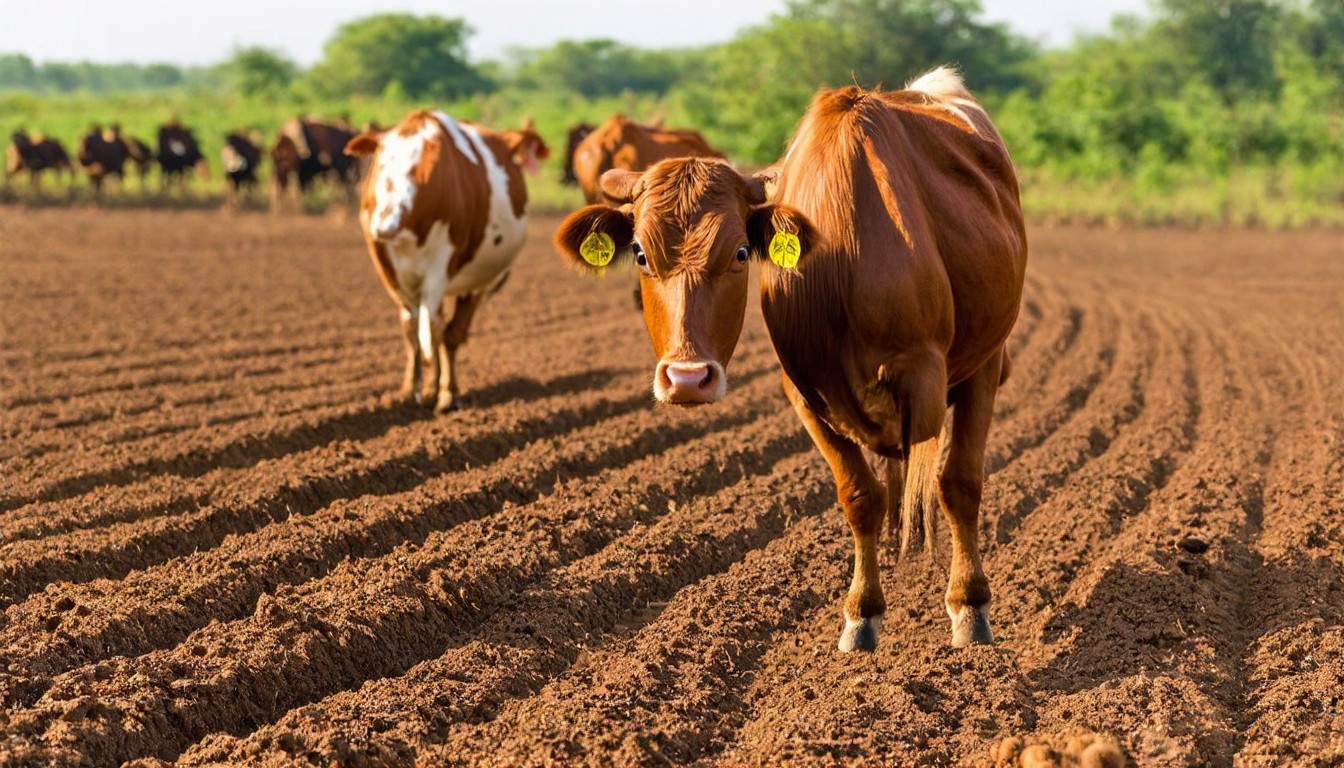
In ancient times, cow dung and urine were integral to Indian agriculture, providing not only manure for crops but also resources for daily life. These byproducts were used in various ways, such as burning cow dung as fuel, applying it as organic fertilizer, or even using it to plaster walls and ceilings to keep homes cool and protect against insects. Cow urine was used as a natural pesticide by spreading it on crops. However, as the use of chemical fertilizers, pesticides, and liquefied petroleum gas (LPG) became widespread, the value of these animal byproducts was often overlooked, leading many farmers to discard them as waste.
In recent years, research institutions and progressive farmers across the country have rediscovered the immense potential of cow dung and urine. Scientific studies have confirmed that cow dung is rich in nutrients and beneficial microorganisms, while cow urine contains essential minerals and compounds that can enhance plant growth and provide natural pest control. By harnessing these resources effectively, farmers can generate biogas, organic fertilizers, and even Ayurvedic products and household items, transforming waste into a valuable asset.
The concept of "Waste to Wealth" (कचरे से खजाना) has emerged, highlighting the simple yet powerful idea that every byproduct from a cow shed can be converted into a resource. This approach not only reduces reliance on chemical inputs but also helps in sustainable farming and energy production.
Farmers who adopt this method can reduce their dependence on synthetic fertilizers, save on LPG expenses for cooking, and even produce vermicompost from cow dung, which is an eco-friendly alternative to chemical fertilizers. Moreover, cow urine can be used to grow herbal products with medicinal value, further diversifying farmers' income sources.
By leveraging traditional knowledge and modern scientific approaches, farmers can turn what was once considered waste into a sustainable and profitable venture. This shift not only benefits the environment by reducing chemical pollution but also empowers farmers to create a self-sufficient and resilient agricultural ecosystem. The journey from waste to wealth is a testament to the ingenuity of farmers and the potential of sustainable practices in agriculture.









